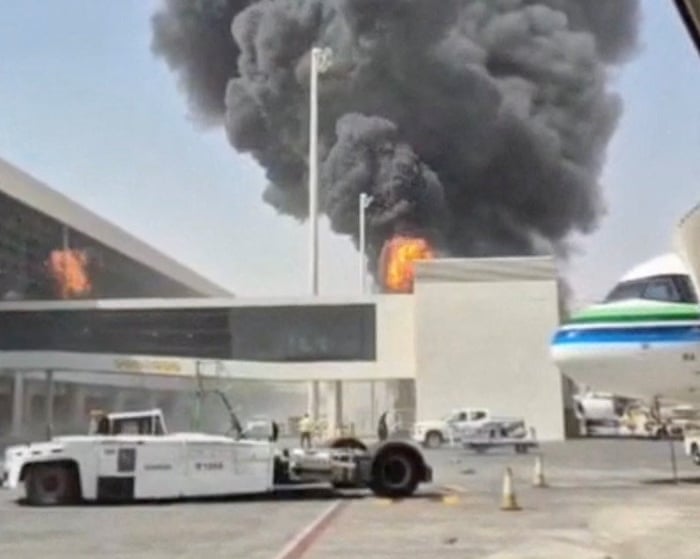
Houthi missile strikes kill three at Riyadh airport, including an airline captain
Missile attacks on Riyadh's international airport on Thursday killed three people, Saudi Arabia says. Among them was Saudia Airlines captain Hamoud Ali Alkalthami, as Yemen's Houthis claimed the strikes.
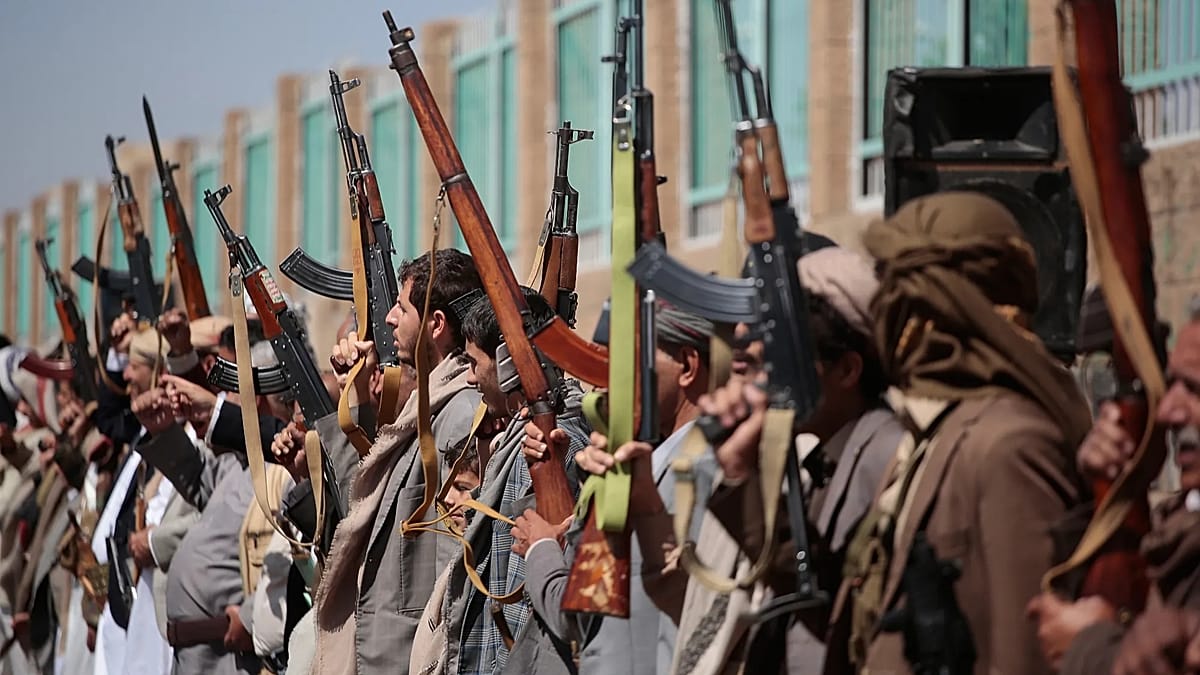
Two missile attacks hit Riyadh's international airport and a Saudia Airlines aircraft parked there on Thursday, 8 October, killing three people, Saudi Arabia has said. Yemen's Houthi movement, which is fighting the Saudi-backed Yemeni government, claimed a series of attacks on the facility. Such admissions are relatively rare, as Saudi authorities seldom acknowledge that civilian targets have been hit.
Casualties and impact at the airport
The Saudi civil aviation authority said the strikes on the airport and the aircraft killed three citizens. On Friday, the national flag carrier Saudia confirmed the death of the plane's captain, Hamoud Ali Alkalthami, at King Khalid International Airport, expressing profound sadness and condolences.
The strikes forced diplomats based in the Saudi capital to shelter in place and led international schools to take safety measures as explosions were heard across the city. Numerous flights were delayed or cancelled, and the airport urged travellers to contact their airlines before travelling.
The kingdom's civil defence agency added that debris from intercepted missiles damaged a kindergarten and a medical complex in Riyadh. It did not say whether anyone was hurt or how extensive the damage was.
The war in Yemen
The Houthis have controlled the Yemeni capital Sana'a and most of the country's major population centres since the war began in 2014. A Saudi-led military coalition intervened the following year in support of the government. Saudi authorities have made few statements on Houthi attacks in recent weeks. The Houthis have also warned workers to evacuate Saudi oil facilities, days after hitting a major refinery south of the capital.
Saudi Arabia and the government forces it backs have struggled to contain the Houthis' latest offensive. The government says its counter-offensive has pushed the fighters out of strategic Red Sea coast areas and the port city of Mocha, but the Houthis insist they are holding their territory, and military sources on both sides have reported no major changes on the ground. The claims cannot be independently verified.
Civilians are bearing the cost: according to UN data, more than 200,000 people have been displaced since July. In the western city of Taiz, which is government-controlled, the Houthis are besieging the city and cutting residents' main supply route to Aden, the government's temporary capital. Local resident Um Rian described a crisis in everything, from water and gas to vegetables.