Why Hezbollah Remains Crucial for Iran’s Regional Strategy
Despite military setbacks, Iran-backed Lebanese Shiite group Hezbollah remains a key pillar of Tehran’s regional influence, and Iran is unwilling to sacrifice it in peace negotiations.
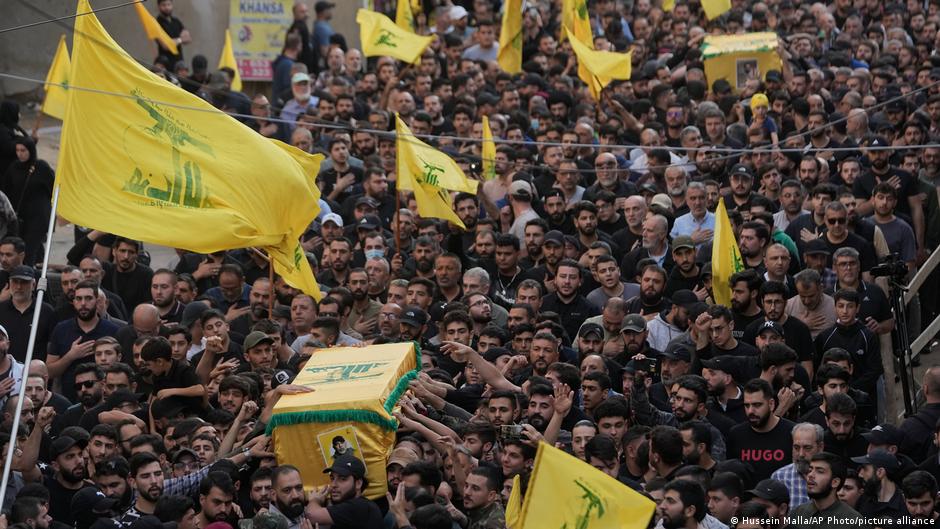
Tensions in the Middle East continue to escalate, with a fragile ceasefire in the Iran war becoming increasingly precarious. According to an analysis by Deutsche Welle, Hezbollah, the Iran-backed Lebanese Shiite militia, remains a vital element of Tehran’s regional strategy.
The conflict extends beyond the US and Iran. Despite an ostensible ceasefire between Israel and Hezbollah, the Israeli military struck targets in Beirut suburbs over the weekend following new Hezbollah rocket attacks. Tehran responded with missile strikes on Israeli territory, prompting Israeli counterstrikes on Iran.
Hezbollah, founded in the early 1980s during the Lebanese Civil War, operates as both an armed group and a political party with social institutions. It is designated a terrorist organization by Western states, Israel, and the Arab League. Iran has supported it financially, militarily, and ideologically since the 1979 Islamic Revolution.
According to Middle East expert Arman Mahmoudian from the University of South Florida, Iran prioritizes including Hezbollah in any political agreements or peace talks. Tehran views Hezbollah as crucial for its regional influence and does not want to bargain it away, as that could undermine the confidence of other allies such as the Houthis in Yemen and Shiite militias in Iraq.
Hezbollah entered the conflict after the killing of Supreme Leader Ayatollah Ali Khamenei in an Israeli airstrike on Tehran on February 28. Hezbollah fired rockets at Israel, triggering Israeli airstrikes on Beirut and southern Lebanon. Over 100 days of hostilities have killed some 3,600 Lebanese civilians, according to Lebanese health authorities.
Although Hezbollah’s military capabilities have been weakened, the organization has partially rebuilt its structures. Iran’s strategy, described as “forward defense,” aims to deter threats far from its borders. However, Iran now finds itself actively defending allies at significant economic cost.
The war has caused considerable economic damage in Iran, worsening living conditions. Iran expert Arash Azizi notes that the new leadership must address security and foreign policy challenges while offering a vision for the future to the Iranian people.
