Healey's shock resignation over defence plan pushes Starmer to brink
UK Defence Secretary John Healey's sudden resignation, protesting inadequate military spending, has plunged Prime Minister Keir Starmer's government into crisis, with multiple resignations and growing doubts about his leadership ahead of key G7 and NATO summits.
Government in Crisis
UK Defence Secretary John Healey resigned on Thursday, accusing Prime Minister Keir Starmer and Chancellor Rachel Reeves of jeopardising national security with an insufficient defence investment plan (Dip). In a blistering resignation letter, Healey wrote that the government had been "unable" and the Treasury "unwilling" to commit the necessary resources to defend the country amid rising threats. He stated he could not accept a Dip settlement that did not give the armed forces the resources they needed.
Security Minister Dan Jarvis was named as Healey's successor on Thursday evening. Armed Forces Minister Al Carns and two parliamentary aides also resigned. Carns called for "a new way of governing".
Political Fallout
This upheaval comes days before Starmer is due to meet G7 allies in France and weeks before a NATO summit in Turkey attended by Donald Trump, leaving the prime minister facing an embarrassing prospect of explaining why his own defence secretary felt he was not doing enough. Many Labour MPs, including cabinet ministers, believe Starmer is on borrowed time, with one minister saying the resignations "make the end more certain".
Defence Spending Row
Healey revealed that the government planned to raise defence spending by only 0.08 percentage points of GDP between next year and 2030 — from 2.6% to 2.68% — and argued it must hit 3% by 2030. He highlighted Starmer's own warning that UK intelligence said Russia could attack a NATO country as early as 2030. Without a proper Dip, Healey said he would be forced to reduce forces' readiness and increase risk to personnel.
Retired General Richard Barrons, who co-authored the strategic defence review, said the government's failure to fully fund its own review "diminishes the UK's standing within NATO, weakens our credibility with allies and increases our vulnerability". Former chief of defence staff Nick Carter called the timing "terrible" given the upcoming summits, and stressed that the UK can no longer "punch above its weight" in defence.
Cabinet Infighting
The months-long standoff over the Dip has badly damaged cabinet relations. Several departments agreed to cut capital budgets by about 1% to fund military spending. Healey requested about £18bn from the Treasury, but Reeves refused weeks to go above £12bn. After pressure from Starmer, an additional £13.5bn was agreed, but MoD sources said only about £10bn was new money.
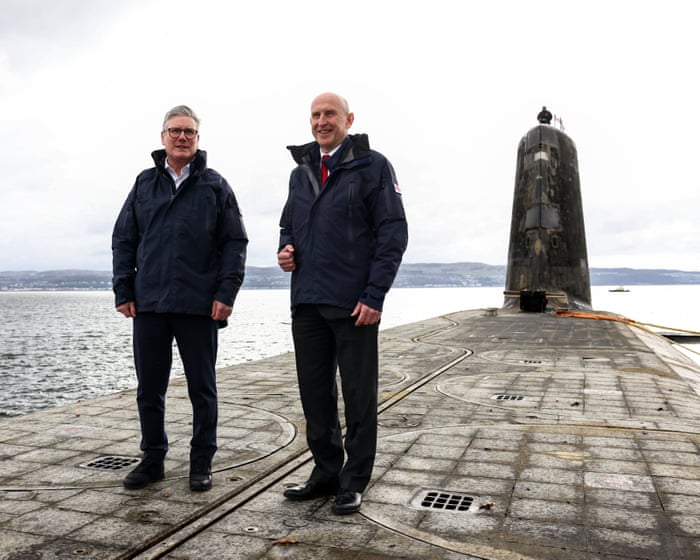
The Dip is a fully costed review of major capital projects, including Dreadnought nuclear submarines and drones. Starmer has made commitments to send peacekeepers to Ukraine and help police the Strait of Hormuz.