HDMI 2.0 vs 2.1: Why you don't need the upgrade for streaming
While HDMI 2.1 offers higher bandwidth and refresh rates, streaming services currently cap quality at 4K/60Hz, making HDMI 2.0 sufficient for watching movies and shows. The upgrade is only beneficial for gamers seeking 4K at 120Hz.
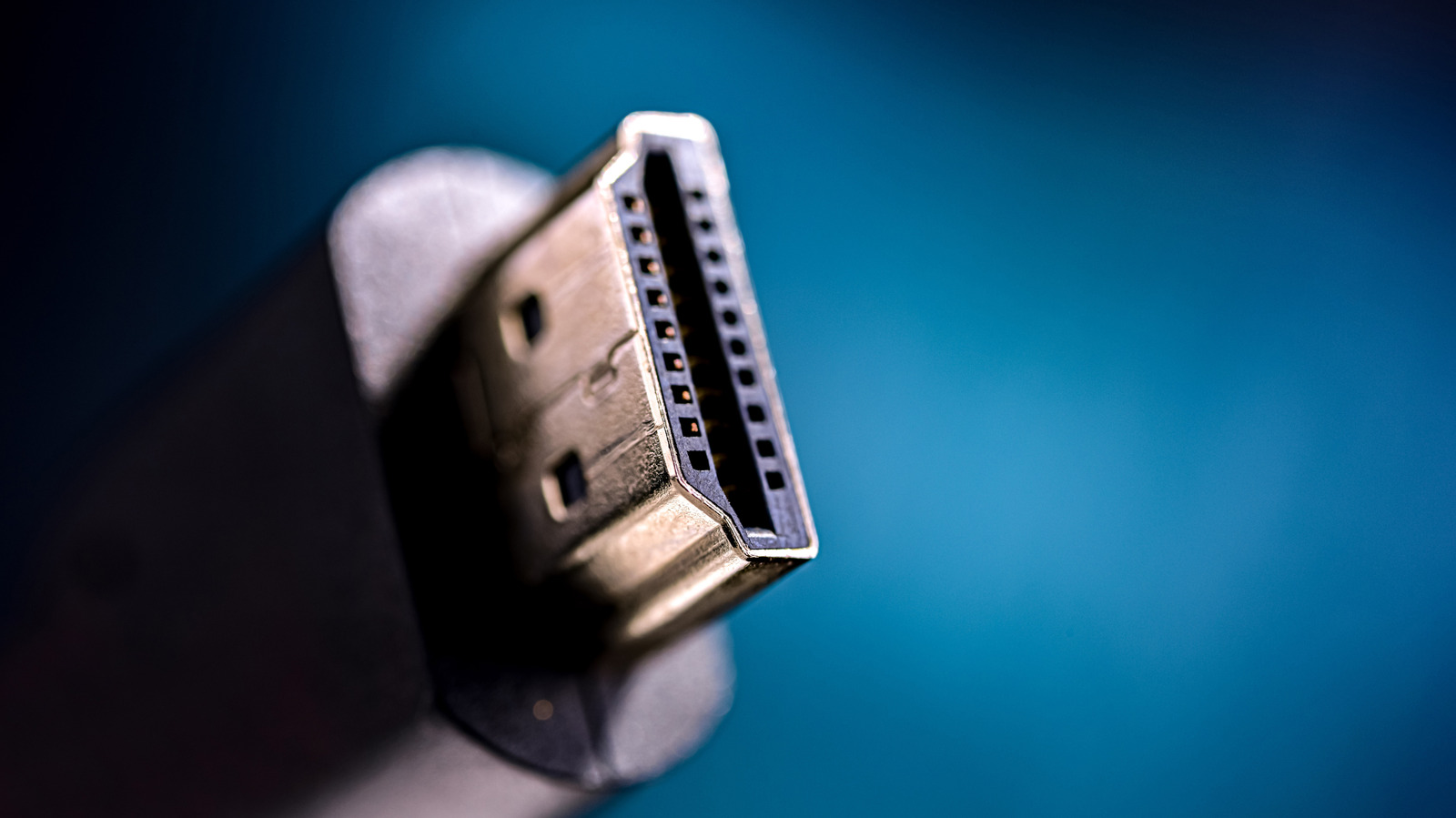
Most of us don't think twice about the cables behind our entertainment centers as long as everything works. However, understanding what each component does can help you get the most out of your setup. One key element is HDMI (High-Definition Multimedia Interface), a common standard for transmitting audio and video signals. HDMI ports are found on TVs, monitors, game consoles, and sound systems.
Currently, two HDMI standards are relevant: HDMI 2.0 (introduced in 2013) and HDMI 2.1 (announced in 2017). HDMI 2.0 supports 4K resolution at 60Hz refresh rate, while HDMI 2.1 can handle 4K at 120Hz. However, streaming services like Netflix or Disney+ mostly cap picture quality at 4K/60Hz. This means that for watching movies and shows, HDMI 2.0 is perfectly adequate, and you won't lose any quality.
The main area where HDMI 2.1 truly pays off is gaming. If you play competitive online games or use a high-end PC or PlayStation 5 Pro, 4K at 120Hz provides smoother visuals and faster response. With HDMI 2.0, you are limited to 4K/60Hz or must drop resolution to 1080p to hit 120Hz.
In June 2025, HDMI 2.2 was announced, supporting up to 96 Gbps bandwidth and resolutions like 16K at 60Hz or 8K at 60Hz. However, few devices currently support this standard, and widespread adoption is likely a year or two away. Unless you plan to spend thousands of dollars on new gear, HDMI 2.0 cables remain the best choice for most users.