Kharkiv increasingly becomes a frontline city
Kharkiv is increasingly affected by Russian drone strikes, though its population has recently grown to nearly 1.5 million. The mayor says 160,000 people have been left without housing.
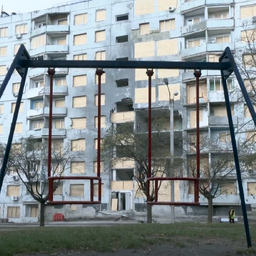
Kharkiv is drawing ever closer to the front line, with some districts already within range of Russian FPV drones. Despite this, the city continues to function, and its population has recently grown to almost 1.5 million people.
Kharkiv Mayor Ihor Terekhov told Estonian broadcaster's "Aktuaalne Kaamera" that 160,000 residents currently have no roof over their heads. The city has 10,000 damaged, severely damaged, or completely destroyed residential buildings, though nearly 4,000 have been restored during the war.
Residents' accounts
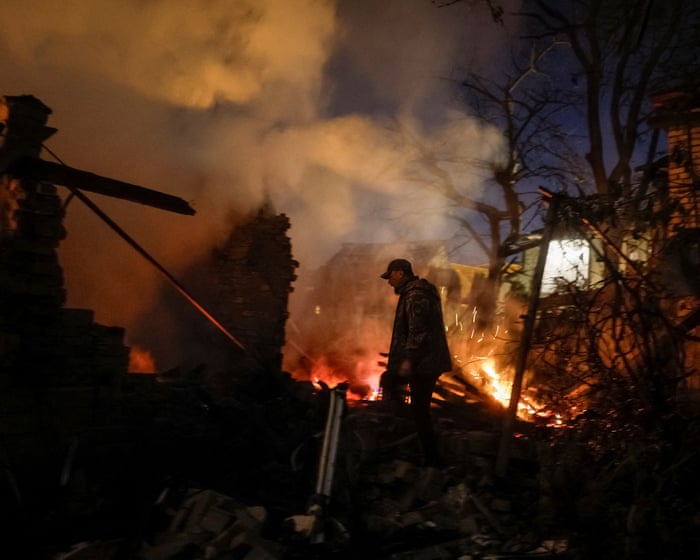
A woman named Olga lived with her 90-year-old mother in an apartment that recently ended up at the epicenter of an explosion. She is now trying to salvage what she can, including some clothing. Her car was destroyed in the blast — a car she needed to take her mother to the doctor. Money is scarce, as the combined pension of Olga and her mother amounts to about 200 euros. The two have been temporarily housed in a dormitory, since apartments are scarce and the number of displaced residents is very high.
According to Terekhov, many buildings sustained serious damage back at the start of the war, and residents are now beginning to return, though no one knows for how long it will remain safe.
Kharkiv's Piatykhatky district lies roughly 20 kilometers from the front line and is frequently hit by Russian FPV and fiber-optic drones. Local residents say the drone strikes have been occurring since spring, mostly damaging vehicles.
Yevhen Koliada, head of a coordination humanitarian center, noted that during a recent trip to Kherson he saw an entire city covered in protective netting, and expressed hope that Kharkiv would not reach that state, while stressing that people's safety remains the priority.

/nginx/o/2023/04/01/15232350t1h280c.jpg)