Genes, archaeology and languages reveal how Bantu speakers spread across Africa
Linguists, archaeologists and geneticists are working together to reconstruct the migration of Bantu-speaking peoples across the southern half of Africa. The movement reshaped the region's technology, lifestyles and languages, though key questions remain open.
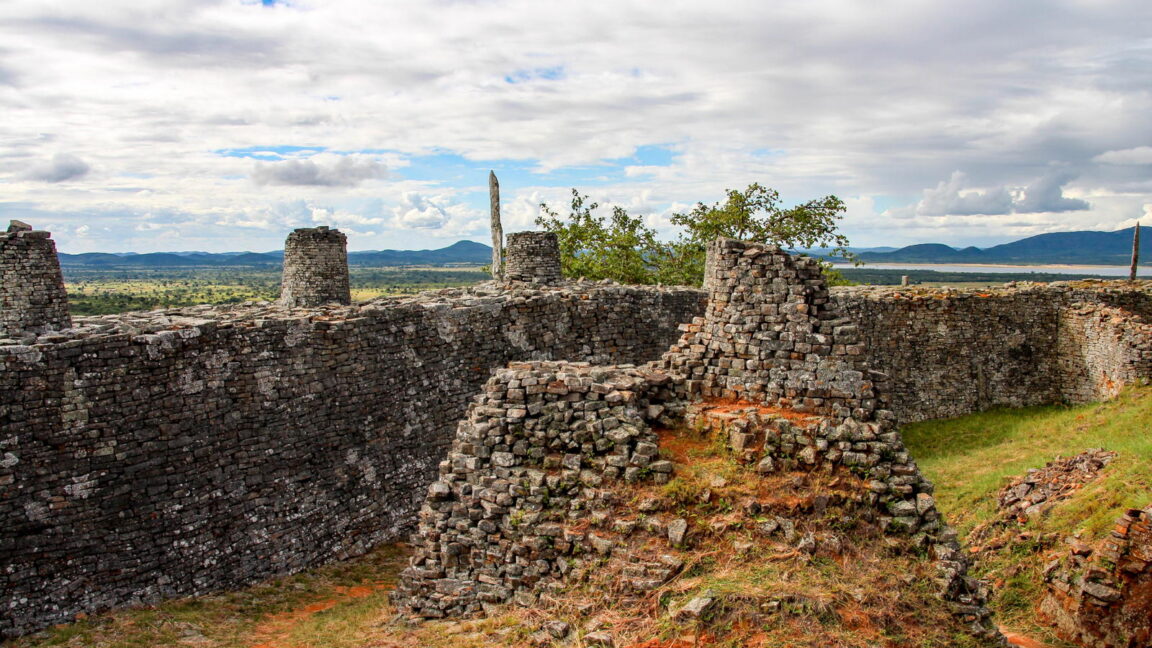
Teams of linguists, archaeologists and geneticists are piecing together how Bantu-speaking communities spread from western Africa across much of the continent's southern half. The migration began roughly 6,000 to 4,000 years ago and reshaped the populations, languages and ways of life of sub-Saharan Africa, according to a report by Ars Technica.
Today about 350 million Africans speak one of roughly 500 Bantu languages, such as Zulu or Swahili. At least as many people carry Bantu ancestry in their DNA, including many African Americans and Afro-Latinos.
What languages, archaeology and genes show
The first clues came from similarities among Bantu languages. Western Africa holds the greatest diversity of these languages, pointing to where they originated. Archaeologists later found similar pottery styles, traces of village life, metalworking and domesticated animals across eastern and southern Africa, with northern sites generally older than southern ones.
In the 1990s some scholars questioned whether this was a true migration. Genetics helped settle the debate. A 2009 analysis of 2,432 Africans found Bantu speakers to be more closely related than their geographic distance would suggest. A 2024 study of 1,763 genomes found the highest genetic diversity among Bantu speakers in western Africa, declining with distance from the region.
Homeland and route
Linguistic and genetic data point to the Grassfields region of Cameroon, but archaeological proof is thin. Pottery fragments at the Shum Laka rock shelter date to 7,000 to 6,000 years ago. In the Congo rainforest, archaeologist Alexandre Livingstone Smith found pottery dated to 2,300 to 2,000 years ago.
Linguistic and genetic evidence increasingly suggests the groups crossed the rainforest together and split into eastern and southern streams only at its southern edge, roughly 2,500 to 3,500 years ago.
Contact with other peoples
A sedentary lifestyle and iron tools let Bantu speakers produce more food and settle new lands. Some hunter-gatherer groups were probably crowded out or disappeared. Yet genetics also shows mixing: some Bantu groups share about an eighth of their DNA with rainforest hunter-gatherers, and some southern groups a similar share with Khoisan peoples.