The long road home: how EU protection policy is affecting Ukrainian refugees
The EU extended temporary protection for Ukrainians already in the bloc until March 2028 this summer, while tightening rules for new arrivals. Millions of Ukrainians in Poland, Germany and Ireland are meanwhile growing more deeply integrated into their host countries.
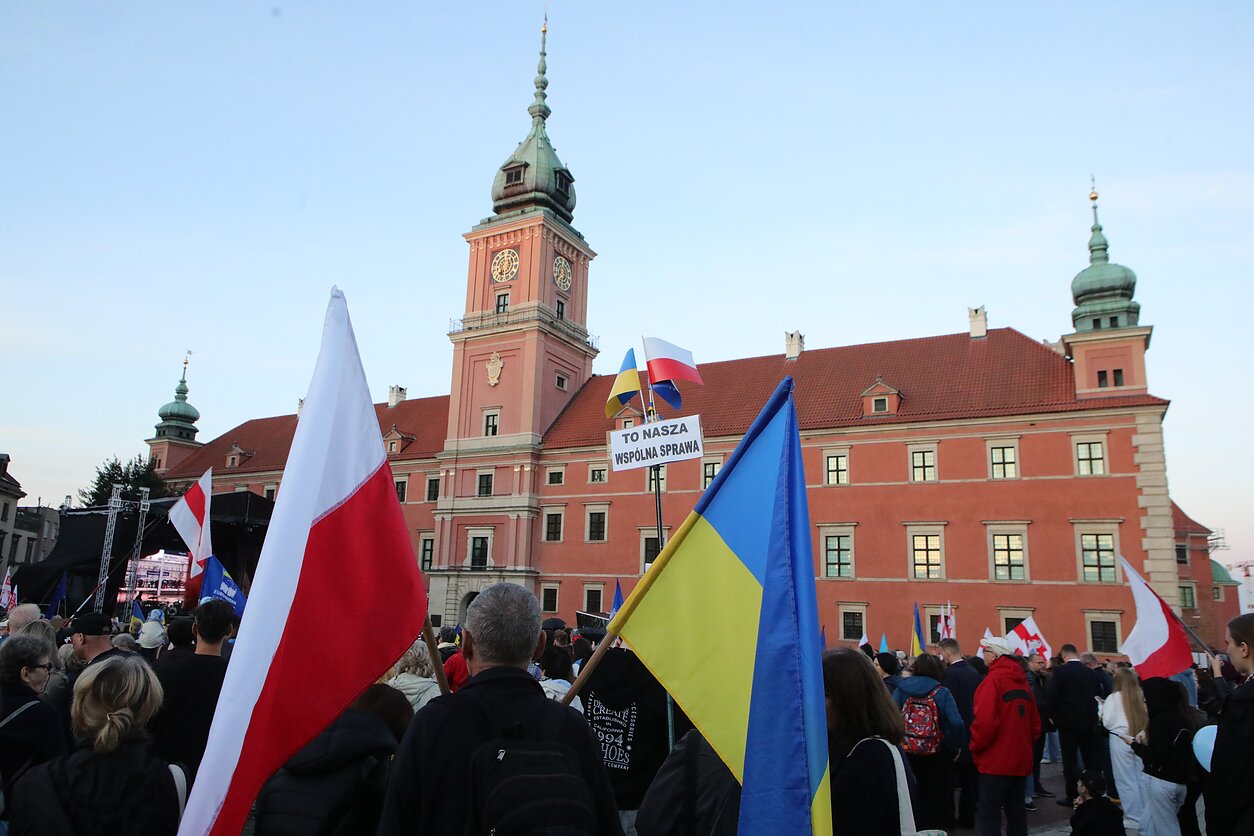
The European Union and Switzerland extended temporary protection for Ukrainians already living there until 4 March 2028 this summer. For new arrivals, however, the rules have tightened: applicants must now prove they were exempted from military service in Ukraine and left the country legally.
According to Eurostat, more than 4.4 million Ukrainians in the EU currently hold temporary protection status. Ella Libanova, director of the Institute of Demography and Social Studies at Ukraine's National Academy of Sciences, believes the number planning to return home shrinks with every month the war continues. She thinks it is women over 25 with higher education who are most likely to return, given their better career prospects back home.
Poland: needed, but attitudes shifting
Poland hosts over 970,000 Ukrainians under temporary protection — the EU's second-highest figure after Germany. Most (68 percent) are employed, since the country provides little social support. Ukrainians' contribution to Poland's budget outweighs the cost of supporting them: refugees helped drive 2.7 percent GDP growth in 2024.
Inna Bezroda, who lives in Warsaw, says attitudes toward Ukrainians in Polish society overall have cooled since 2022, though she personally hasn't experienced it. Poland is introducing a new status called CUKR allowing Ukrainians to move to a more permanent residence status independent of employment or income level.
Germany: uncertainty for the unemployed and for men
Germany has granted temporary protection to 1.3 million Ukrainians. The share of men has been rising recently — 60 percent of Ukrainians who arrived since March 2025 are men of conscription age. Employment among Ukrainians in Germany remains low at just 39 percent, shaped by generous benefits, a relatively closed labor market, and integration requirements.
Ireland: residency tied to work and housing
Ireland has granted temporary protection to 120,000 Ukrainians, though only about 84,000 actually remain — the rest have returned home or moved elsewhere. Nataliia Minailo, who lives in Dublin with her daughter, found work after finishing college, despite others advising her to stay on benefits instead.