EU proposes ban on Russian soldiers entering bloc in fresh sanctions package
The European Commission has proposed barring all Russian military personnel who served since the war began from entering the EU, part of the 21st sanctions package targeting oil revenues, shadow fleet vessels, and cryptocurrency firms.
Entry ban for soldiers
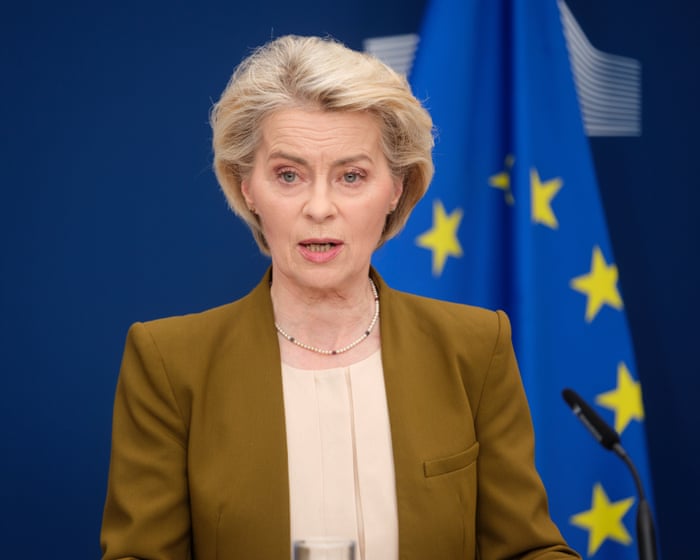
European Commission President Ursula von der Leyen announced on Tuesday new sanctions against Russia, including for the first time a visa ban on anyone who has served in the Russian armed forces since the start of the war. "Europe stays off limit for anyone who has participated in the invasion of Ukraine," she said. The proposals must be unanimously approved by all 27 member states.
Further tightening
The commission wants to maintain the oil price cap at $44 until January 2027, preventing Moscow from profiting from rising crude prices. It also plans to add 30 more "shadow fleet" vessels to the blacklist (632 are already restricted). Sanctions would target 20 banks, crypto firms, and oil traders in third countries helping Russia evade restrictions.
Estonia's push
Estonian Foreign Minister Margus Tsahkna had called for a visa ban on former combatants earlier this year, citing security concerns. "Putin will push these people to Europe," he said, warning of hybrid attacks. "Can you imagine these hundreds of thousands of ex-combatants coming here? They are not going to just work and pay taxes – they will do many bad things."
Ukraine accession talks
Von der Leyen confirmed that the EU will open the first negotiating chapters on rule of law and democratic standards with Ukraine and Moldova next week, marking a formal start to accession talks.
New import restrictions
The package introduces for the first time a ban on Russian fish imports (including cod) and restrictions on metals, ores, and car parts worth €60 million. EU export restrictions are proposed for metals and alloys used in aerospace and defence, including drone equipment.
Alumina controversy
Notably missing from the sanctions is EU alumina exports, after investigations revealed that alumina refined at the Russian-owned Aughinish plant in Ireland enters Russian supply chains ending with weapons used in Ukraine. The plant employs 900 people and supplies about 30% of EU alumina demand. EU officials say no alternatives exist for bauxite not controlled by Russian or Chinese firms.