Ministry proposes expanding heating support to include modern wood-fired boilers
Latvia's Economy Ministry wants to widen state support for household heating modernization, restoring the option to co-finance efficient wood-fired boilers alongside pellets and heat pumps. The move aims to reduce households' dependence on a single fuel type and strengthen energy security.

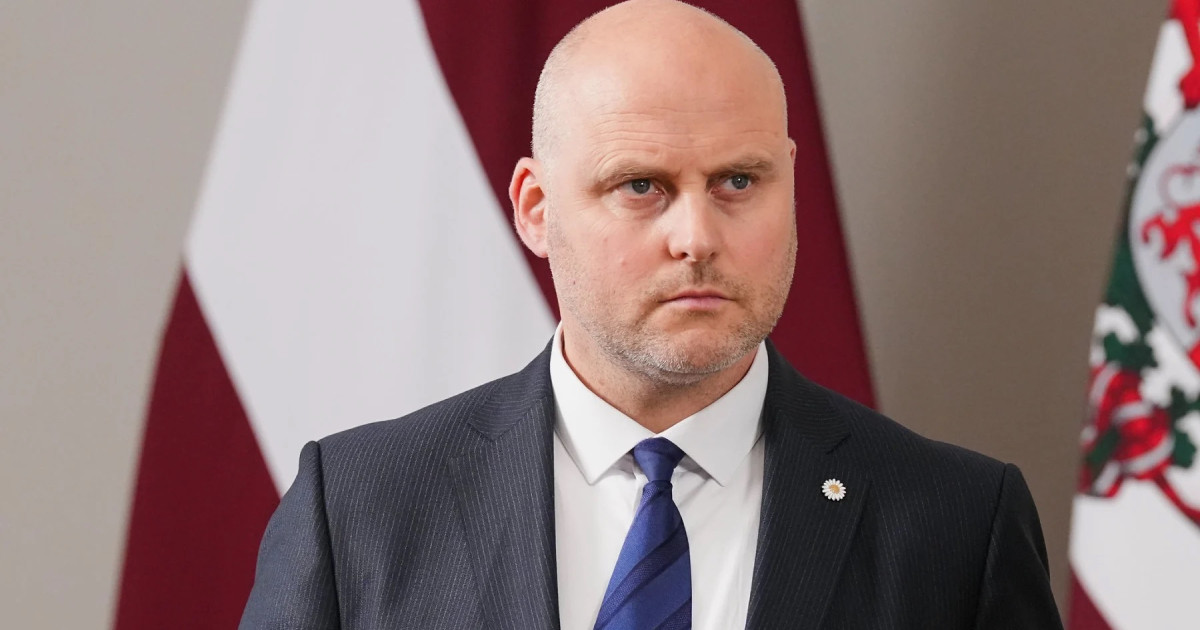
Latvia's Ministry of Economics (EM) has proposed broadening the state support available to households and centralized heating systems for upgrading their heating systems. Economy Minister Viktors Valainis (ZZS union) is pushing to widen the support options for households by restoring the possibility of co-financing modern, energy-efficient wood-fired boilers.
According to the minister, the goal is to make heating more accessible and predictable for residents. He noted that households need broader choice, with wood-fired boilers added to support programs alongside pellet systems, heat pumps and other technologies.
Pellet market pressures
The ministry says the proposal stems from an assessment of the current wood pellet market. Pellet availability is currently affected by a combination of factors, including rising demand both domestically and abroad, raw material costs, weather conditions, and existing supply commitments already made by producers to other buyers.
The ministry argues that alongside measures to secure pellet supply on the domestic market, residents' options for choosing various local and efficient heating solutions should be expanded. In the long run, this would reduce households' dependence on a single fuel type and increase their resilience to price fluctuations and supply disruptions.
Firewood as a local resource
The ministry notes that firewood is a locally sourced energy resource that is widely available in Latvia. For some households, particularly in regions outside the largest cities, modern wood-fired heating systems can be a more economically accessible solution than more technologically complex alternatives. A broader range of eligible technologies would allow state support to reach households for whom other solutions are not suitable due to financial constraints or technical conditions of their homes.
The ministry recommends that, when improving support programs, a more technology-neutral approach be considered, with energy efficiency and emissions performance set as the key criteria for eligible equipment. Such an approach, the ministry says, would give residents wider choice, strengthen household energy security, and benefit Latvia's forestry sector and farming operations.
/nginx/o/2020/02/05/12916295t1hf9e8.jpg)