Edward Lucas: Russia's alarming actions in Kaliningrad remind the US that Europe matters
Analyst Edward Lucas draws a comparison between today's situation and events of 1938, concluding that Europe's security system now functions far better than it did back then. As an example, he cites NATO's response to Russian activity in the Kaliningrad region.
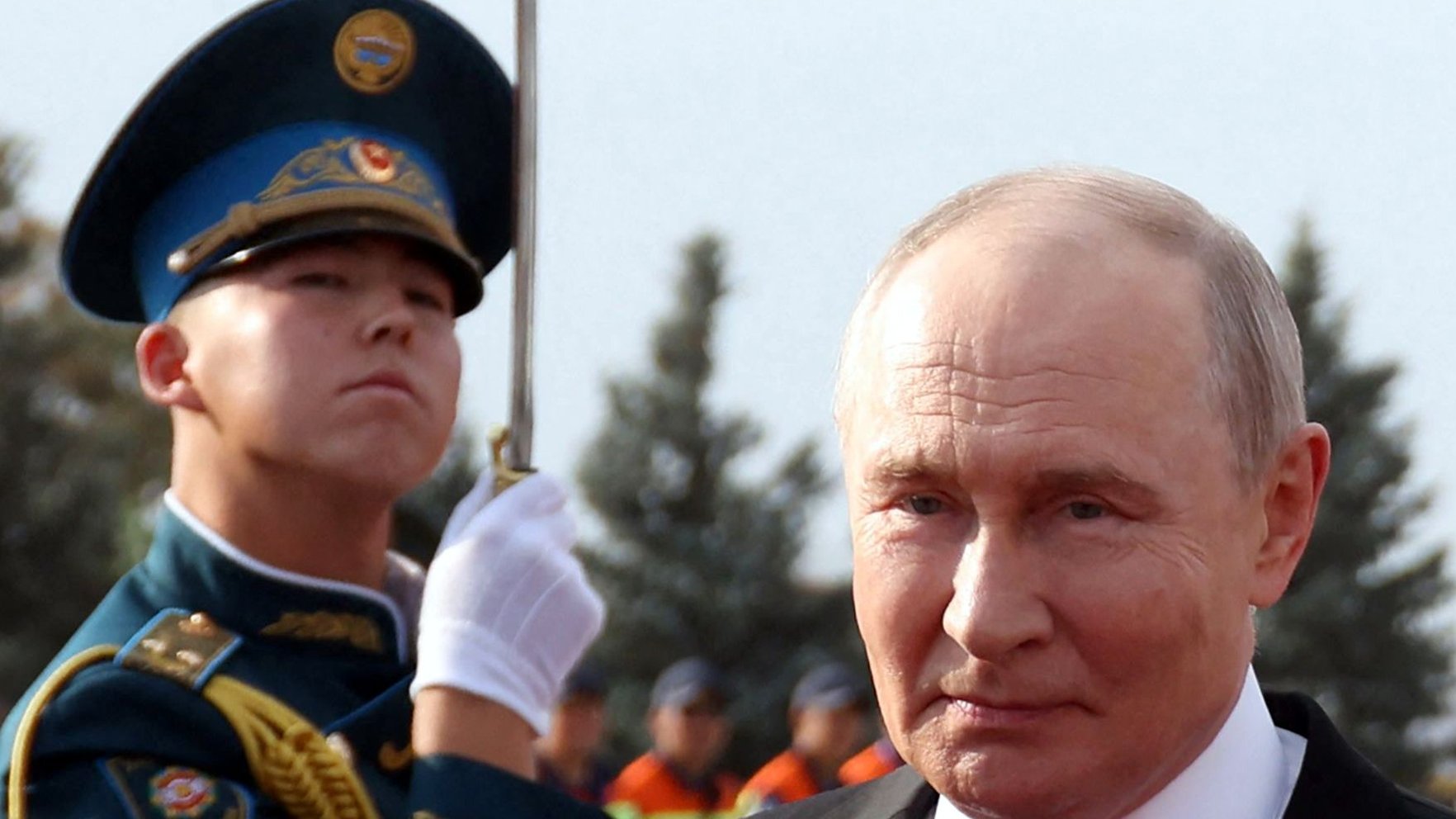
An article centered on analyst Edward Lucas draws a parallel between current events and the autumn of 1938, when US Secretary of State Cordell Hull traveled to Europe in an attempt to dissuade Nazi Germany from attacking its neighbors. At the time, the senior American diplomat visited Berlin, Prague, Paris and London, while the US ambassador in Moscow delivered a stern warning to Soviet leader Joseph Stalin.
A failed diplomatic effort
Lucas notes that these efforts ultimately achieved nothing. The United States was militarily weak at the time and largely absent from European security matters. Britain and France eventually gave in to Hitler, while the region's states were deeply divided — Poland and Lithuania were on hostile terms, and Estonia and Latvia had declared neutrality. According to the author, none of these countries offered each other meaningful support.
A different picture today
The author stresses that the current situation is fundamentally different from the pre-World War II period. Europe's collective security system is regularly tested, but in his assessment it continues to hold. As an example, he points to Russia's recent military activity in the Kaliningrad region, to which NATO responded with a large-scale air operation involving land and naval forces as well. As part of the operation, the alliance conducted detailed monitoring of developments in the Kaliningrad region, demonstrating its clear military superiority there.