Low Danube water levels force Romania to shut down Cernavodă nuclear plant
Romania has fully halted operations at the Cernavodă nuclear power plant after Danube river water levels dropped to record lows. Authorities plan to cover the shortfall with wind power and electricity imports.
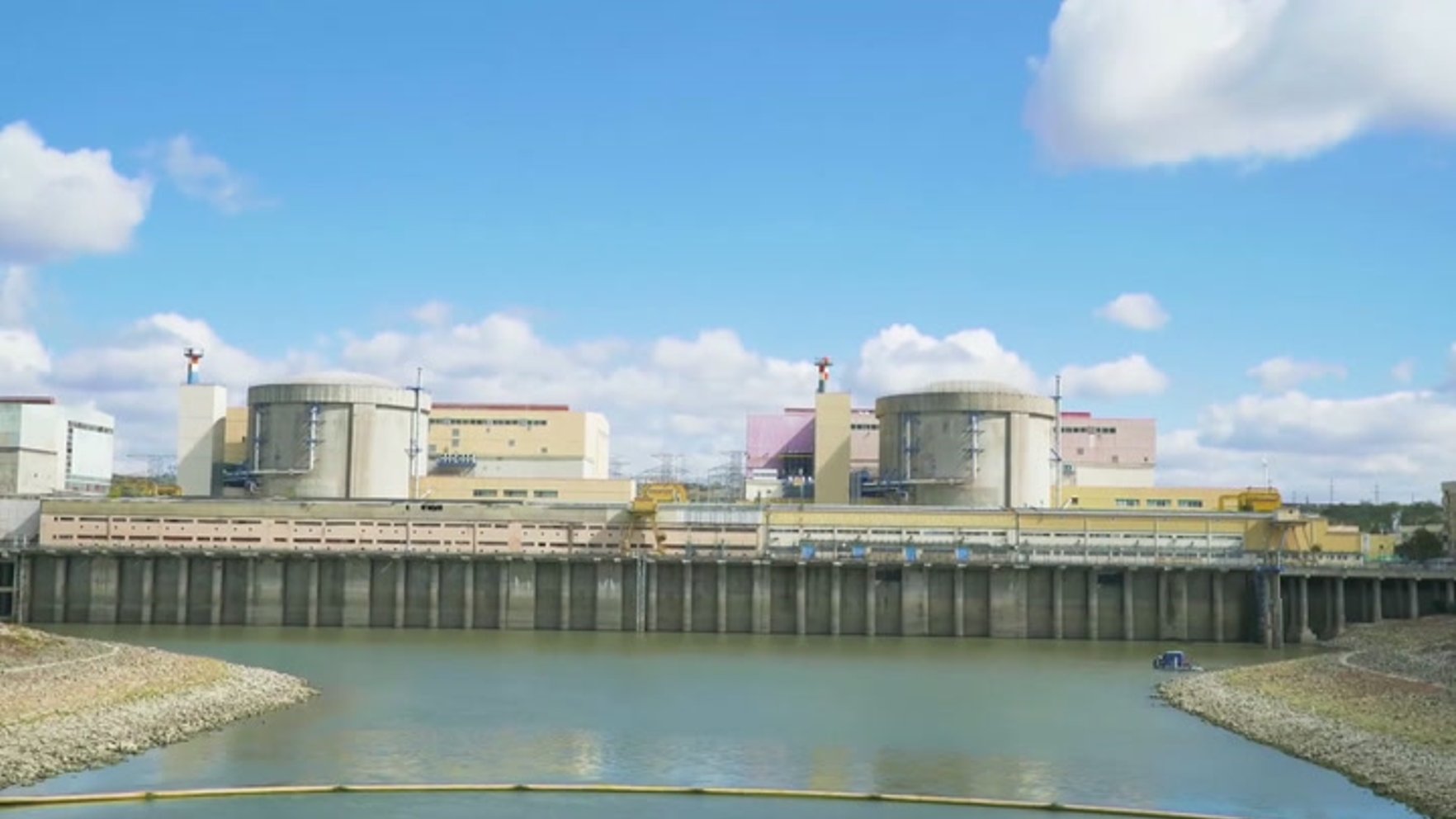
Romania's state nuclear energy company Nuclearelectrica announced on Thursday that it needed to shut down the second of the two reactors at the Cernavodă nuclear power plant due to a significant and prolonged drop in water levels in the Danube river. The first reactor had already been taken offline in July.
Both reactors at Cernavodă rely on water from the Danube for cooling, and the critical shortage has made continued operation impossible. Plant officials say they do not expect operations to resume within the next ten days.
This marks only the second time in the plant's history that operations have been fully suspended — the first was in 2003, also due to drought.
Alternative energy sources
Romania's Energy Ministry said on Wednesday that sufficient electricity supply would be ensured through alternative sources, including wind power, as well as through electricity imports. However, the ministry warned that in an emergency situation, large industrial consumers could face restrictions on energy consumption during evening hours.
The Danube, which flows from the Black Forest mountains in Germany through ten countries to the Black Sea, has in places dropped to record-low levels since May due to a prolonged lack of rainfall and successive heat waves.
/nginx/o/2026/10/02/17950846t1h036c.jpg)