Beyond the green premium: decarbonization as a competitive advantage
The head of the World Economic Forum's First Movers Coalition argues that heavy-industry decisions on cutting emissions are increasingly driven by competitiveness, geopolitics and policy, not just cost differences.
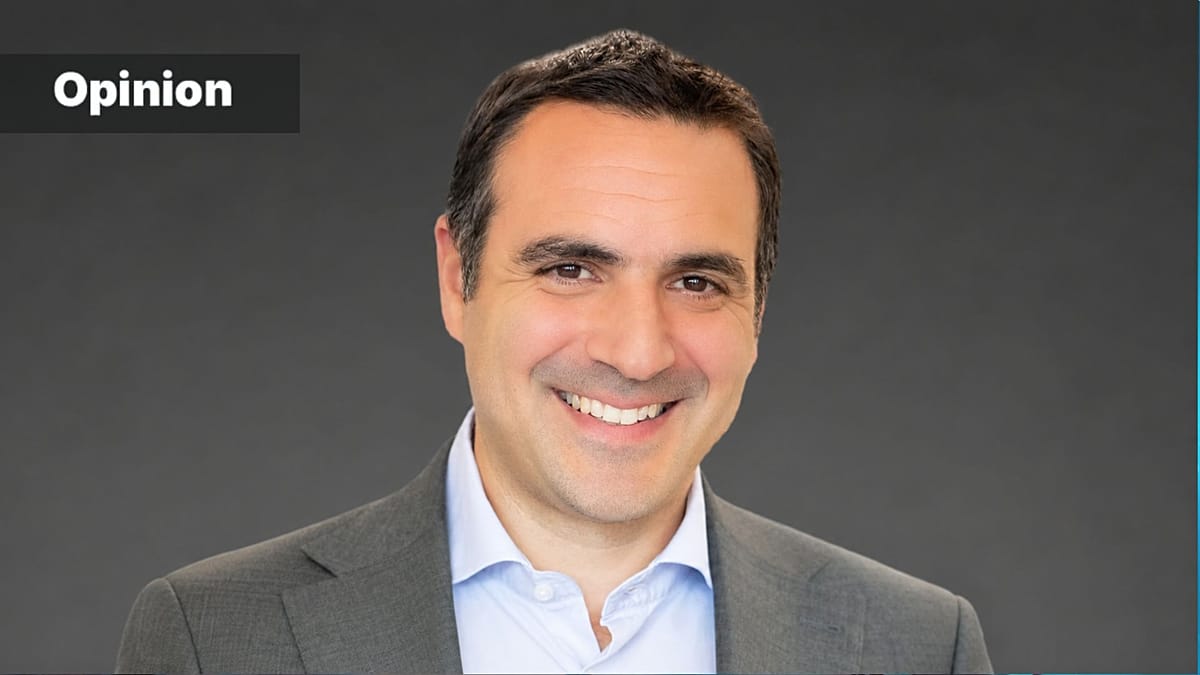
Noam Boussidan, head of the First Movers Coalition (FMC), the World Economic Forum's industry decarbonization initiative, argues in an opinion piece published by Euronews on 17 November that investment in lower-carbon technologies in heavy industry is no longer decided by the "green premium" alone. The term refers to the extra cost of a "cleaner" technology compared with an emitting alternative. The views are the author's and do not represent Euronews' editorial position.
What the green premium means
The term was coined by Bill Gates in 2020 to describe the cost difference between a product that emits carbon and an alternative that does not. Boussidan says the concept made the economics of decarbonization visible but never told the whole story.
Costs vary widely by sector. In cement production, emissions cuts of up to 50% can be achieved at negligible or low cost through clinker substitution, but further reductions often carry a significant premium. Sustainable aviation fuels (SAF) can cost at least twice as much as their fossil equivalents.
Three factors
The author points to three factors that change the assessment. First, commercial realities: the green economy is already valued at more than $5 trillion a year and is expected to grow by another $2 trillion by 2030. Second, geopolitics: conflict and supply disruption expose the risks of relying on few energy sources. Jet fuel prices linked to conflict in the Middle East topped $220 a barrel in March and reached $200 again in September.
Third, government policy. The EU's proposed Industrial Accelerator Act, currently under debate, also aims to reduce reliance on external suppliers and raise the share of strategic manufacturing from 14.3% in 2024 to 20% by 2035. The Net Zero Industry Act already links decarbonization with streamlined permitting.
Boussidan concludes that the cost of waiting may ultimately be higher than the savings from postponing.