Brown bear sightings: Residents urged to report observations
At least 190 brown bears live in Latvia. Residents are encouraged to report bear sightings on the portal “Dabas dati” to assist monitoring and conservation efforts.
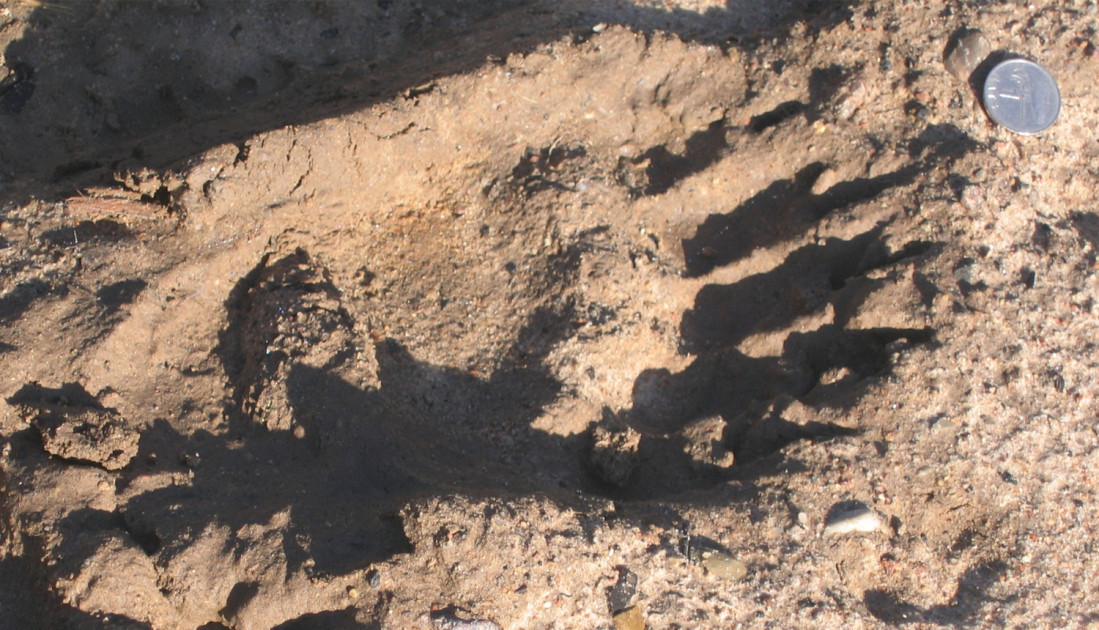
According to the latest monitoring data, at least 190 brown bears reside in Latvia. Population assessment involves systematic monitoring in and outside protected natural areas, as well as genetic analyses using hair, feces, and saliva samples to identify individuals. The Nature Conservation Agency (DAP) emphasizes that public reports are a valuable addition to this data, helping to better understand bear distribution and movement patterns.
Anyone who observes signs of bear presence in nature – such as footprints, hair, droppings, scratches, damage to beehives or other objects – or captures a bear in a photo or video (including trail cameras) is invited to report the observation on the Dabas dati portal. The report must include the exact date and GPS coordinates. It is also important to document the sign with a timestamped photo or video. For footprints, they should be photographed from above; front paw prints are especially crucial because their width correlates with the bear's age and weight. If no measuring tape is available, a scale object (e.g., a bank card or matchbox) can be placed next to the print.
The information from residents, combined with other monitoring data, is analyzed within the brown bear monitoring program conducted by specialists selected through a procurement procedure. In 2025, 827 random observations of bears or their signs were collected, including direct sightings (in person or via trail cameras) and indirect signs like footprints, hair, droppings, and winter dens. DAP representatives note that despite the increasing bear population and expansion into new regions, the chance of encountering a bear in the forest remains low, as these animals are very cautious and avoid humans. Even field researchers rarely spot them in person.
In cases where a bear poses or is suspected to pose a threat to human health or life, the local municipality and DAP should be contacted immediately. Additional information, including species guidelines developed with bear experts, a series of short films, and other useful materials, is available at www.daba.gov.lv.