Britain Finally Grasps Defence Nettle, But Tough Choices Remain
The UK's new defence investment plan leaves unresolved funding issues, with military budgets falling short of NATO commitments by the end of the decade. The plan involves massive nuclear spending, but internal political disputes and pressure from the US create additional challenges.
Keir Starmer's government has unveiled a defence investment plan that, while marking a shift after years of neglect, leaves difficult financial decisions for future leaders. By the end of the decade, UK military spending will still be well below NATO commitments, a gap likely noticed by European allies and the White House.
At the core of the plan is a massive investment in nuclear capabilities, accounting for 20% of the entire defence budget, rising to 25%. Some £47bn is allocated to nuclear submarines, primarily Dreadnought-class boats to replace aging Vanguard-class vessels. Meanwhile, the Ministry of Defence struggles with cost overruns: Defence Secretary Dan Jarvis noted that 47 of 49 major projects are delayed or over budget.
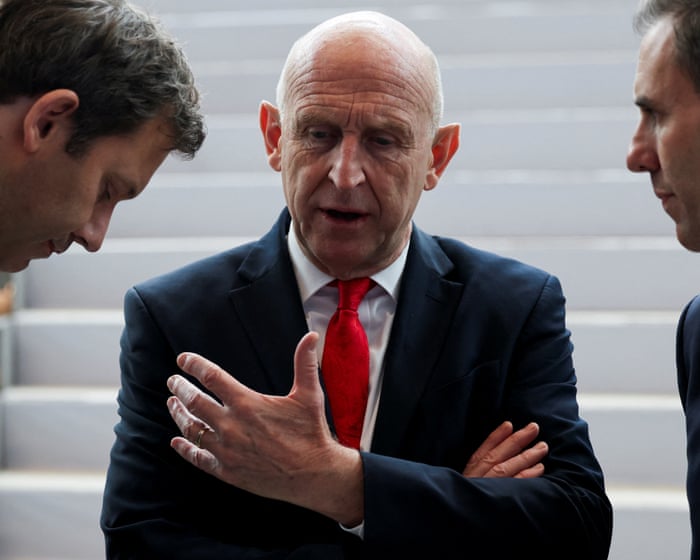
Internal political battles have hindered clear funding. Former Defence Secretary John Healey resigned in June over dissatisfaction with the budget offered by Starmer. Chancellor Rachel Reeves, according to sources, was frustrated by Healey's refusal to negotiate directly with her, instead going to the prime minister. Jarvis secured only an additional £1.5bn in less than three weeks, leaving a £3bn budget gap.
Under international pressure, particularly from Donald Trump's administration, Starmer agreed to increase defence spending to 2.7% of GDP by 2030, short of the NATO target of 3.5%. Germany, aiming for 3.5% by 2029, expects the UK to continue playing an active role in international missions such as the Strait of Hormuz and Ukraine.
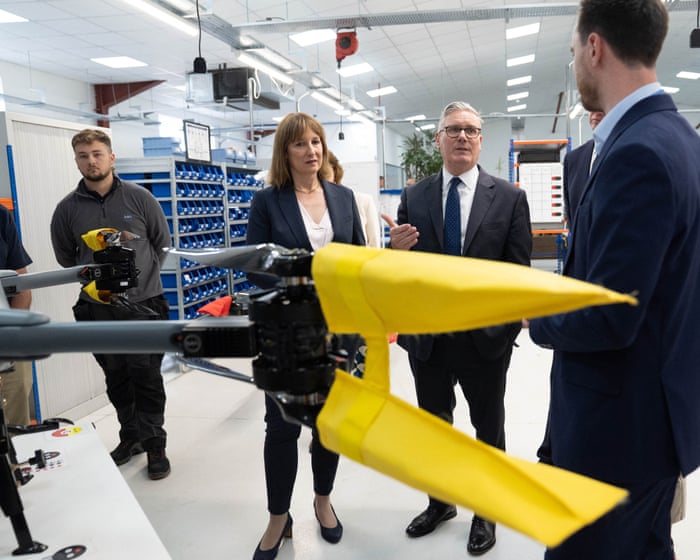
Despite the challenges, the plan represents the first time in a generation that Britain is seriously investing in defence capability. An extra £5bn will go towards drones by 2030, needed to deter a Russian invasion of Estonia—currently UK forces would run out of drones within a couple of days. However, it remains unclear whether these investments align with the country's ambition to be a reliable international partner.
/nginx/o/2026/10/15/17976138t1h21c7.jpg)