Former Foreign Office chief urges government to be frank about Russian threat
Lord Peter Ricketts, a former UK national security adviser, warns that Russian hybrid attacks could soon cost lives. He wants ministers to speak openly to the public and find money to protect critical infrastructure.
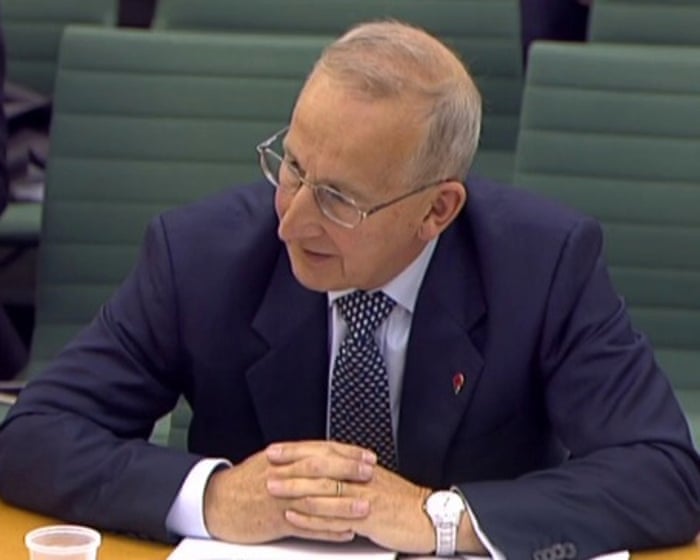
The British government must be honest with the public about the immediate threat from Russia, and such attacks could soon lead to deaths, according to Peter Ricketts. A former national security adviser and the Foreign Office's top civil servant, he once advised prime minister David Cameron. Ricketts, now a member of the House of Lords, spoke on BBC Radio 4's Today programme.
He warned that Kremlin cyber-attacks could target banking systems, energy or water supplies, and called for more investment in the resilience of key sectors. In his view, Vladimir Putin is trying to break morale not only in Ukraine but also in European countries, so the government should start a conversation with the British people about what may be coming.
Ricketts said he was not predicting an industrial war with tanks crossing the north German plain, but argued that hybrid attacks are becoming more reckless and dangerous. He believes people will eventually be killed, and the country will have to find money to respond. Energy, transport, air traffic control and defence all need better protection, he said.
Other warnings this week
His remarks follow other warnings in recent days. Sir Ken McCallum, director general of the MI5 security service, said on Tuesday that the agency is devoting more resources to hostile-state threats than during the cold war, calling Russia the "number one aggressor". On Friday, Gen Sir Roly Walker, chief of the general staff, told 700 troops at Catterick garrison in North Yorkshire that politicians would soon need a frank conversation about the sacrifices required to prioritise defence, and that soldiers would probably need to fight in a war.
Strained US–Ukraine relations
The warnings come after a difficult week for Kyiv. US president Donald Trump waived several economic sanctions on Russia, although he signed them into law in September, citing the US national interest. Last week he lifted restrictions on Russian diesel amid rising US fuel prices ahead of the midterm elections. He also suggested Ukraine needed a new president, and Volodymyr Zelenskyy replied at an EU summit that it was nice to be among "real leaders".
Ricketts also dismissed Andy Burnham's claim that he wanted to be a "bridge" between the US and Ukraine, saying that in Trump's current mood Britain has no short-term influence.