Child psychiatrist: punishment alone does not change teen behaviour
Child psychiatrist Anete Masaļska writes in the magazine Ir that punishment stops unwanted behaviour but does not address its causes. She calls for spotting early warning signs, support at home and school, action against bullying and free activities in the regions.
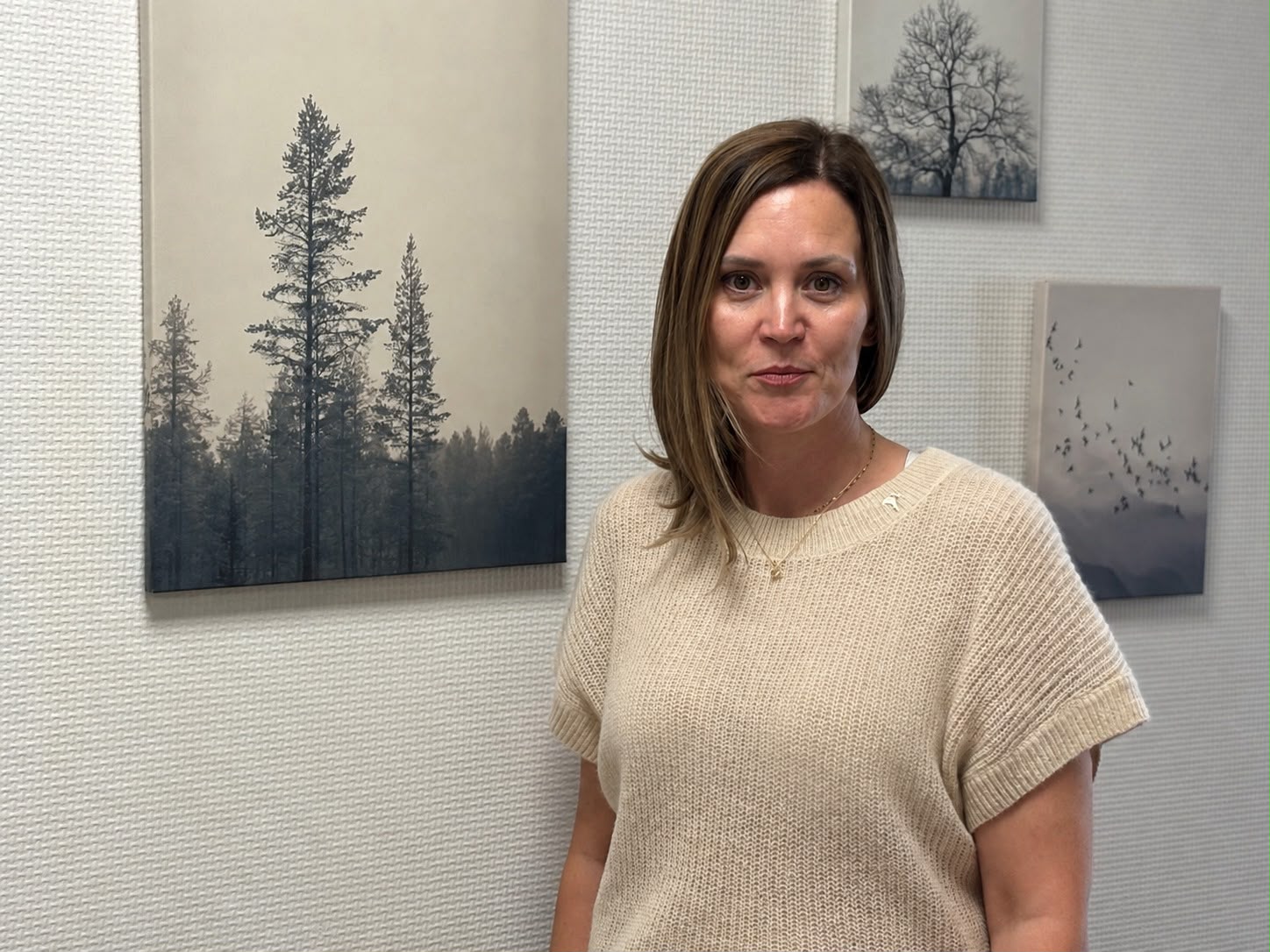
Child psychiatrist Anete Masaļska, who heads the Children and Adolescents Resource Centre (a Latvian company), argues in an opinion piece in the magazine Ir, published on 9 October 2026, that young people who have broken rules need understanding and support, not only punishment. The article was produced as part of an information campaign about a project run by the State Probation Service, which works with convicted offenders.
Why punishment falls short
According to the author, punishment merely halts a specific action and creates fear of repeated consequences, but it does not teach young people to understand the causes of their behaviour or offer a different pattern. If an offence stems from financial hardship, punishment does not solve it; one possible answer would be to give the young person a chance to work and earn a living.
She notes that problems can affect not only children from socially disadvantaged families but also well-off households where parents are very busy and emotional presence and conversation are missing. The role of the family and consciously devoted time to relationships is therefore essential.
School and bullying
Masaļska stresses that bullying among teenagers remains a major problem in Latvia. She rejects the view that everyone has to go through it, saying prolonged bullying raises the risk of depression, anxiety disorders and social isolation. In her view, schools need clear internal rules and an action plan, and must deal with situations immediately. Bullying increasingly moves online, where traditional programmes do not work. Classmates are advised to confide in an adult, while form teachers should build a supportive class environment, for example through joint trips and team games.
Warning signs and free-time options
Warning signs include sudden changes in behaviour, declining grades and skipped lessons. When an offence has already happened, the aim should be to understand the motive, including possible violence at home or bad company, and to give the young person a chance to apologise and make amends.
The author points out that regions often lack free clubs, sports activities and transport to reach them. She argues that investing in such activities at municipal level is cheaper than dealing with the consequences of offences, and that a coach or club leader can become a trusted adult.