Australian opposition pledges deep migration cuts and slashed building code to ease housing crunch
Australia's Coalition opposition wants to cut net overseas migration to under 180,000 a year and reduce the national construction code from 2,000 to 80 pages to speed up home building, while the government says it is already working on similar reforms.
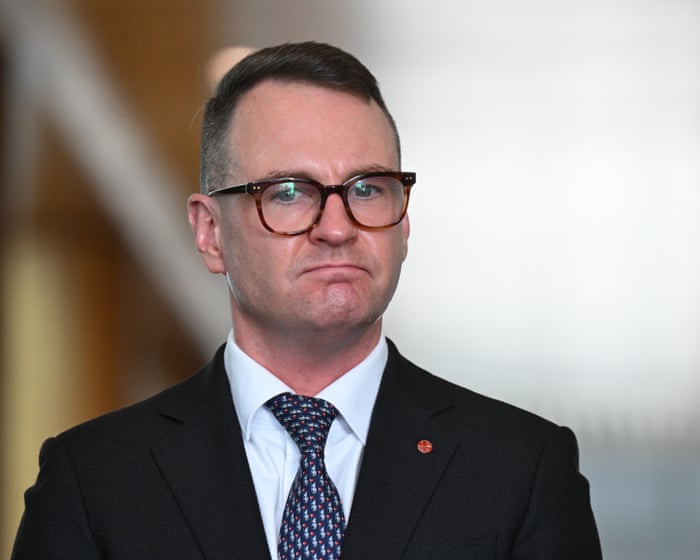
Australia's opposition Coalition has announced plans to cut net overseas migration to below 180,000 people a year over the coming years, including through reduced family and international student visas, as part of an effort to relieve pressure on the housing market.
Shadow housing minister Andrew Bragg is set to address the National Press Club, where he will also propose cutting the national construction code from roughly 2,000 pages to an 80-page "basic Australian standard." Bragg argues the current code makes it "illegal to build a cheap safe house." Under his proposal, only structural, fire safety and health requirements would remain compulsory, with other features becoming optional.
Australia's permanent migration intake currently stands at 185,000 a year, while net overseas migration is forecast to reach 245,000 in 2026-27. Bragg said the government has allowed a shortfall of 130,000 dwellings to build up, which could be addressed if net migration fell below 180,000 over four years — comparable, he said, to a reduction from 300,000 to 175,000 achieved in 2009-2010.
However, shadow treasurer Tim Wilson declined to commit to the 180,000 figure when questioned, saying the Coalition has not yet finalised its policy ahead of the next election.
Treasurer Jim Chalmers responded that the government is already simplifying the construction code and will present a plan to state and territory building ministers later this year, suggesting the opposition was "late to the party." Chalmers also pushed back on concerns about a cooling housing market, saying it should not be judged on a few months of data.
Separately, the Commonwealth Bank reported a full-year cash profit of $10.9bn, up 7% on the previous year, driven by strong home and business lending despite recent softness in the housing market. The bank declared a final dividend of $2.70 a share.