Australia confirms first H5 bird flu death of a little penguin on Phillip Island
A little penguin on Victoria's Phillip Island has died from the deadly H5 bird flu strain, marking Australia's first confirmed case in the species just days after a vaccination program was announced. Authorities are now racing to vaccinate thousands of penguins starting Monday.
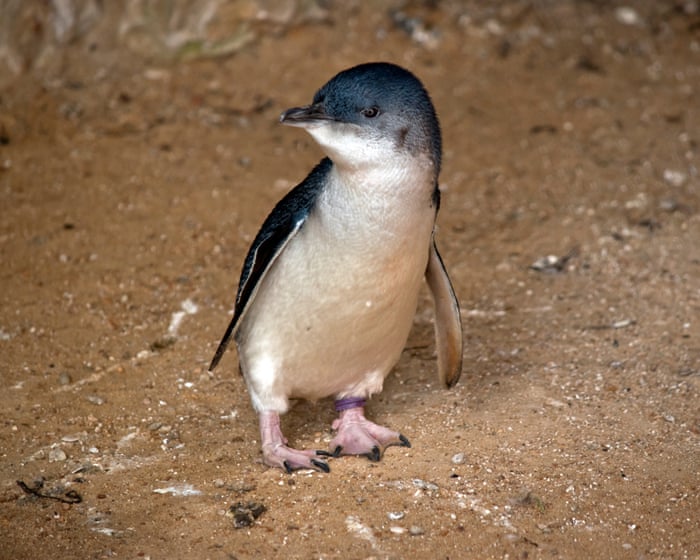
Authorities in Victoria have confirmed that a little penguin found dead on Phillip Island tested positive for the H5 strain of bird flu, marking the first such confirmed case in the species in Australia. The bird was found outside the island's popular penguin parade viewing area, though officials have not disclosed the exact location.
Phillip Island is home to roughly 40,000 little penguins, making it the largest colony of the species in the world and a major tourist draw. Conservationists had already raised concerns about the potential for mass die-offs should the virus reach the island. Euan Ritchie, a wildlife ecology professor at Deakin University, called the detection devastating, noting the island also hosts other significant wildlife, including Australian fur seals and bandicoots, and urged governments to provide whatever resources are needed to help wildlife recover.
Vaccination rollout begins Monday
Just days before the case was confirmed, the Victorian government had announced what it described as the world's largest wild-bird H5 vaccination program, aiming to vaccinate up to 5,000 little penguins across Phillip Island and St Kilda beach in Melbourne. The rollout is due to begin Monday. Because the vaccine requires two doses spaced several weeks apart, there are concerns that immunity may come too late for some birds.
Victoria's chief biodiversity officer, James Todd, acknowledged the detection was concerning but said vaccination remained a meaningful way to help protect the colony. The state's chief veterinary officer, Graeme Cooke, said Agriculture Victoria and Phillip Island Nature Parks had already activated plans to begin vaccinating from Monday.
Officials also reported two further H5 detections in greater crested terns, at Lakes Entrance and Dromana, and a fifth confirmed case in New South Wales, in a tern found at Eden on the state's far south coast.