‘Super El Niño’ officially declared by US scientists as it arrives
The US National Oceanic and Atmospheric Administration (NOAA) has confirmed the arrival of El Niño, predicting it could be the strongest of the century and push 2027 global temperatures to record highs.
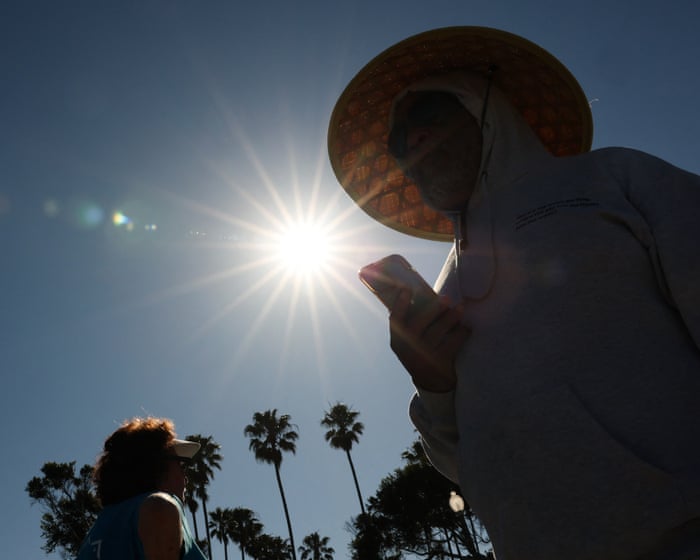
The US National Oceanic and Atmospheric Administration (NOAA) announced Thursday that El Niño has officially arrived. Scientists expect this year's El Niño could be the strongest of the century, supercharging extreme weather events globally.
El Niño is characterized by warming of ocean surface temperatures in the central and eastern tropical Pacific Ocean. It is part of the El Niño-Southern Oscillation (ENSO) cycle, which occurs every three to seven years. This year, there is a high probability that it will reach “super” status, defined by sea surface temperatures rising at least 2°C above average. Such events are rare—only a few have occurred since 1950, and only once has the temperature exceeded 2.5°C.
According to NOAA, there is a 63% chance that this El Niño will become so intense by late fall and early winter that it “would rank among the largest El Niño events in the historical record going back to 1950.” Dr. Paul Roundy of the State University of New York at Albany noted a “real potential for the strongest El Niño event in 140 years.” Dr. Andy Hazelton of the University of Miami added that “all models and observations are pointing in the same direction: a very strong El Niño with significant impacts on global climate this year.”
El Niño’s effects vary by region. In the United States, it typically brings stormier weather in the south, a wet winter on the west coast (with high tide flooding and algal blooms), and often dampens the Atlantic hurricane season while boosting Pacific hurricane activity. In the northern Rockies and southwest, which are experiencing severe snow drought, El Niño can produce strong summer rains.
However, experts caution that long-term droughts, such as those in the US southwest, will not be erased by one wet season. “Just because we’re expecting a large-scale change in the climate pattern doesn’t necessarily mean that we’re going to see drought completely erased,” said Dr. Joel Lisonbee of the University of Colorado Boulder. “It would have to be exceptionally wet, which would also mean flooding, destruction, and potential loss of life.”
World Meteorological Organization Secretary-General Celeste Saulo noted that the 2023-24 El Niño was one of the five strongest on record and contributed to record global temperatures in 2024. This year’s El Niño, expected to peak in fall or winter, could push global temperatures even higher, making 2027 a potential record-breaking year.