US watchdog: 96% of DOGE's claimed grant savings cannot be verified
The US Government Accountability Office says it could not confirm most of the savings claimed by the Trump administration's Department of Government Efficiency, including nearly all of the $49.2 billion attributed to canceled grants.
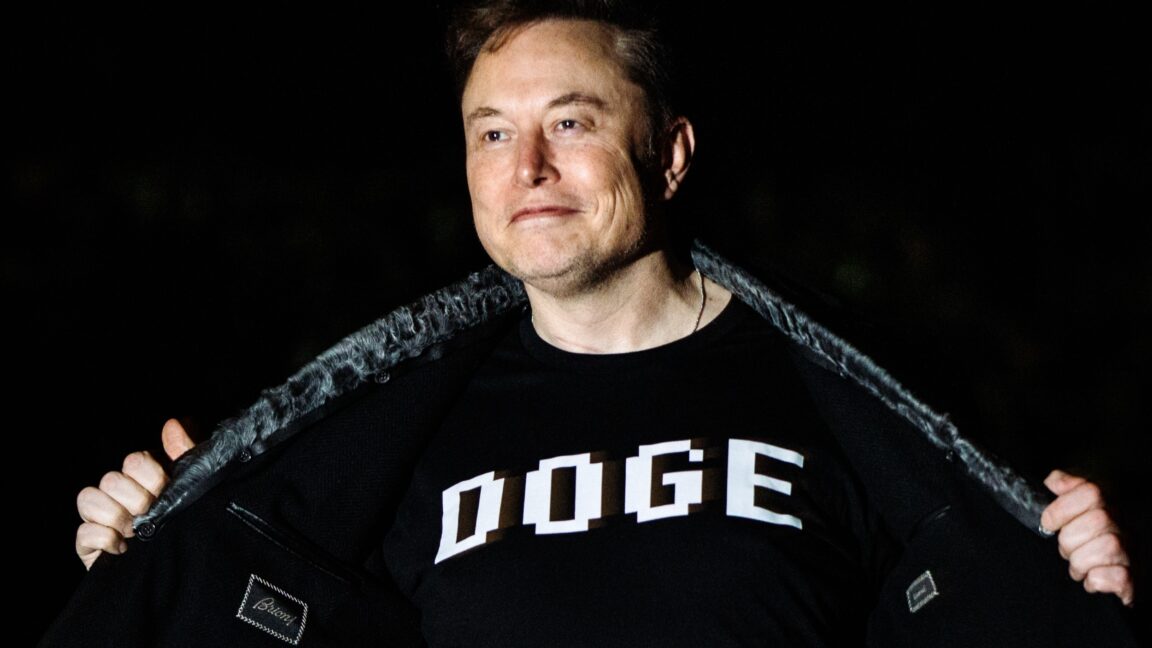
The US Government Accountability Office (GAO), Congress's auditing and investigative arm, has released a report examining the savings figures published on the so-called "Wall of Receipts" by the Department of Government Efficiency (DOGE), the cost-cutting initiative led by Elon Musk under the Trump administration. The report was requested in June 2025 by Sens. Gary Peters (D-Mich.) and Richard Blumenthal (D-Conn.).
According to the GAO, out of 15,887 grants DOGE reported as terminated, there was insufficient information to verify the calculation method or the composition of savings for 13,553 of them — roughly 96 percent of the $49.2 billion DOGE claimed to have saved through grant cuts.
The report further found that for most terminated contracts, DOGE did not actually follow the methodology it claimed to use when calculating savings, and that it overstated the savings achieved from canceled leases. GAO said DOGE did not respond to requests for interviews or clarification during the review.
Political reaction
Senator Peters said Musk and the Trump administration claimed billions in savings they could not substantiate, took credit for work that was already underway, and refused to disclose their methods, all while putting Americans' sensitive data at risk and weakening critical government agencies.
Secrecy concerns
Last year, Senate Democratic staff investigating DOGE's activities at three federal agencies reported finding armed guards, locked doors, and windows covered with trash bags. DOGE's Wall of Receipts website claims a total of $215 billion in savings, attributed to asset sales, contract and lease cancellations or renegotiations, fraud and improper payment reductions, grant cancellations, interest savings, programmatic changes, regulatory savings, and workforce reductions. Even that total falls well short of Musk's original goal of $1 trillion in savings.