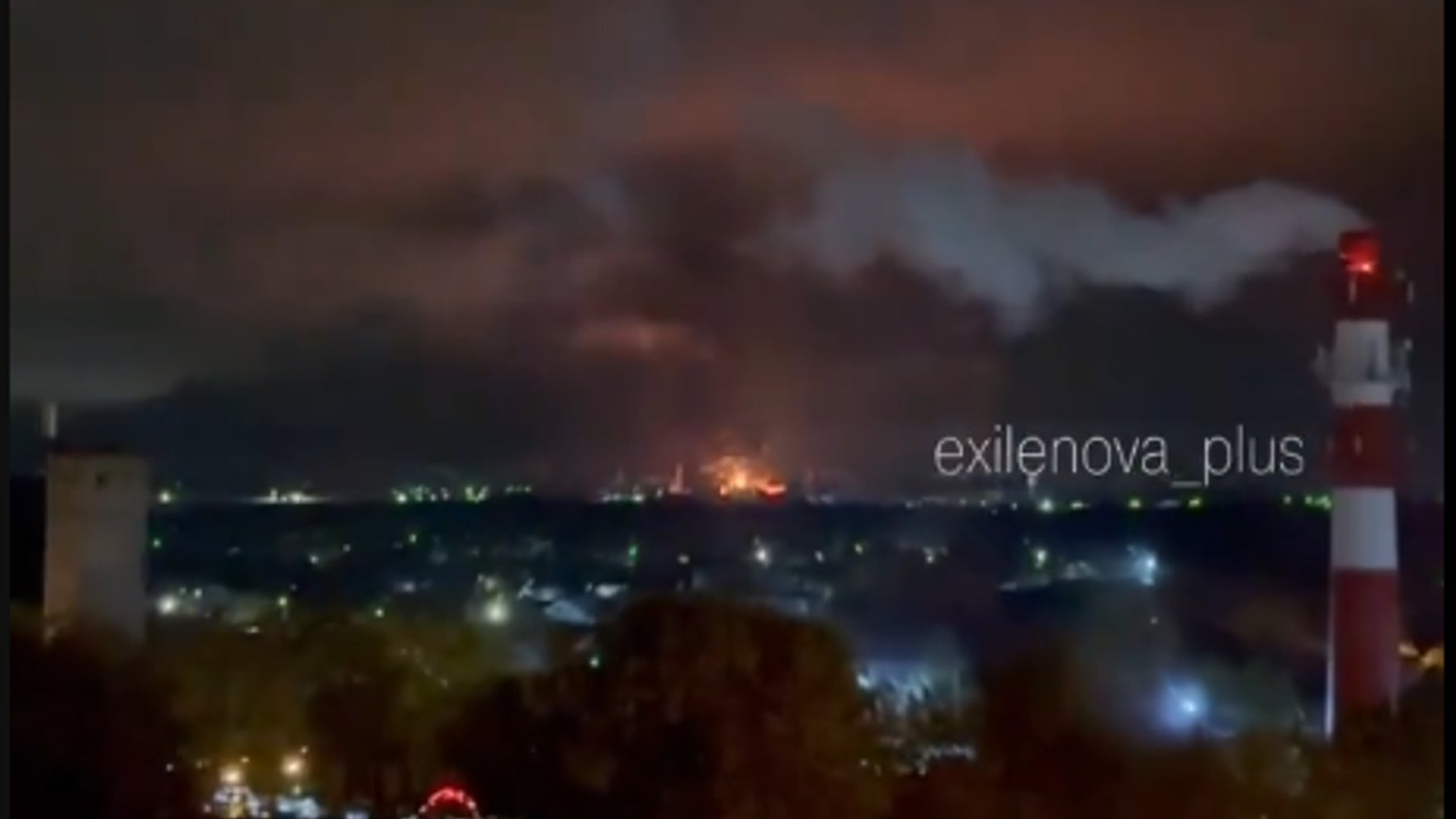
US Senate passes Russia sanctions bill honoring late senator Lindsey Graham
The US Senate overwhelmingly approved a bill imposing new sanctions on Russia and tariffs on buyers of its oil, renamed to honor the late senator who championed it. The measure now moves to the House of Representatives.
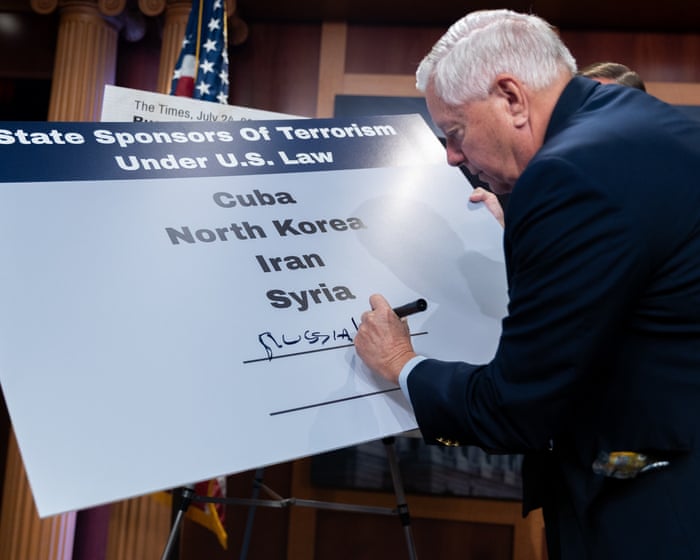
The US Senate voted 86-11 on Friday to pass a bill punishing Russia and countries that purchase its petroleum exports over the invasion of Ukraine, completing a legislative effort accelerated by the death of Republican senator Lindsey Graham.
The bill was renamed the Lindsey O Graham Sanctioning Russia Act in honor of the South Carolina senator, who spent his final days pushing it forward before dying suddenly last month at age 71 following a trip to Kyiv.
What the bill does
The legislation would impose new sanctions and visa bans on Russian president Vladimir Putin and senior military commanders, along with tariffs of up to 500% on Russian exports. It would also grant Donald Trump authority to impose levies of up to 100% on goods from the five countries that import the most Russian oil and gas.
The effort had been stalled for months amid negotiations between the White House and Senate leadership. Following Graham's death, party leaders reached an agreement to advance the bill, taking the first procedural step last month on the day of his funeral, with Ukrainian president Volodymyr Zelenskyy watching from the chamber.
Darline Graham, the late senator's sister who was appointed to fill his seat, said the bill forces countries propping up Russia's economy to choose between doing business with the United States or buying cheap Russian energy, adding that it signals America will not stand by while Putin's war effort is funded.
Opposition in Congress
The bill now heads to the House of Representatives, which may take it up at the end of August after its recess. Some Democrats warned the legislation grants Trump excessive discretion over tariffs, letting him choose which countries to target or exempt and adjust levies over time, with no mechanism for Congress to reverse them. Critics have also noted that the actual sanctions remain entirely at Trump's discretion, even though he has repeatedly signaled a preference for waiving sanctions on Russia rather than imposing new ones.