US Sanctions International Criminal Court and Agrees Diesel Purchase Deal With Russia
US President Donald Trump on Friday imposed sanctions on the International Criminal Court and announced a deal to buy diesel from Russia. The same day, the Nobel Peace Prize went to former ICC judge Navi Pillay.
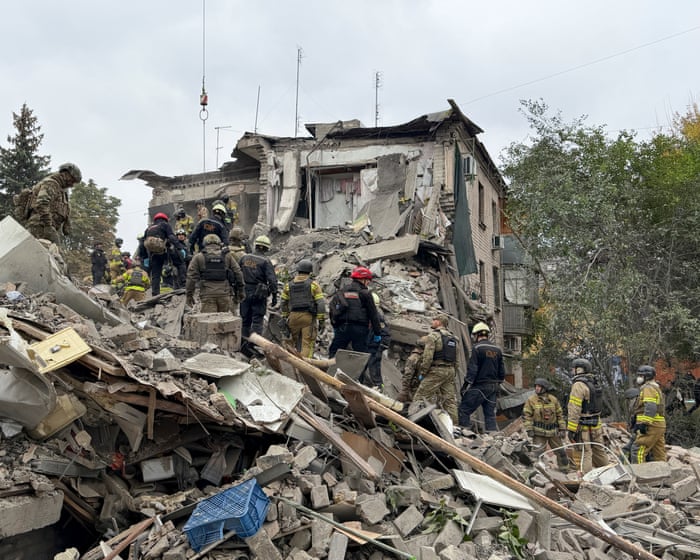
US President Donald Trump on Friday, 9 October, stepped up pressure on the International Criminal Court (ICC), the permanent tribunal in The Hague that prosecutes war crimes and genocide. The US imposed sanctions on the court itself. Trump then announced a deal with Russia to buy diesel. The moves come weeks before US midterm elections. They are assessed critically in an editorial by the British newspaper The Guardian, which is the source of this account.
Sanctions on the court
US Secretary of State Marco Rubio said companies have six months to wind down ties with the court and that US allies must rein it in. "Either the ICC will end its threats, or we will end the ICC," he said. Washington's hostility was first fuelled by the court's Afghanistan investigation, although the ICC has suspended consideration of US actions there. It was later driven by arrest warrants for Israeli Prime Minister Benjamin Netanyahu and former defence minister Yoav Gallant. The court had been preparing for such measures.
The Russia deal
Trump blames Ukrainian attacks on Russian energy facilities for high diesel costs. The Guardian says prices have in fact been raised by the US war on Iran, which continues to resonate: over the weekend, attacks on Riyadh's international airport were suspected to be the work of Houthis in Yemen backed by Tehran. The paper considers it unlikely that the deal with Moscow will produce significant shipments.
Nobel Peace Prize
On the same day, the Nobel committee announced that this year's peace laureate is Navi Pillay, a former ICC judge. She chaired the UN commission that last year concluded Israel had committed genocide in Gaza. "Peace requires justice," the committee said.
Reaction
The UK, EU and other states criticised the US decision and declared their commitment to the court. The Guardian argues they should go further and use blocking statutes against the sanctions, and that they should show similar resolve in standing with Ukraine.

/nginx/o/2026/07/31/17820295t1hb814.jpg)