US ends hantavirus outbreak response with no answers on draconian quarantines
The US has closed its response to a hantavirus outbreak on a cruise ship without any cases among Americans, but leaving unresolved questions about unjustifiably strict quarantine measures.
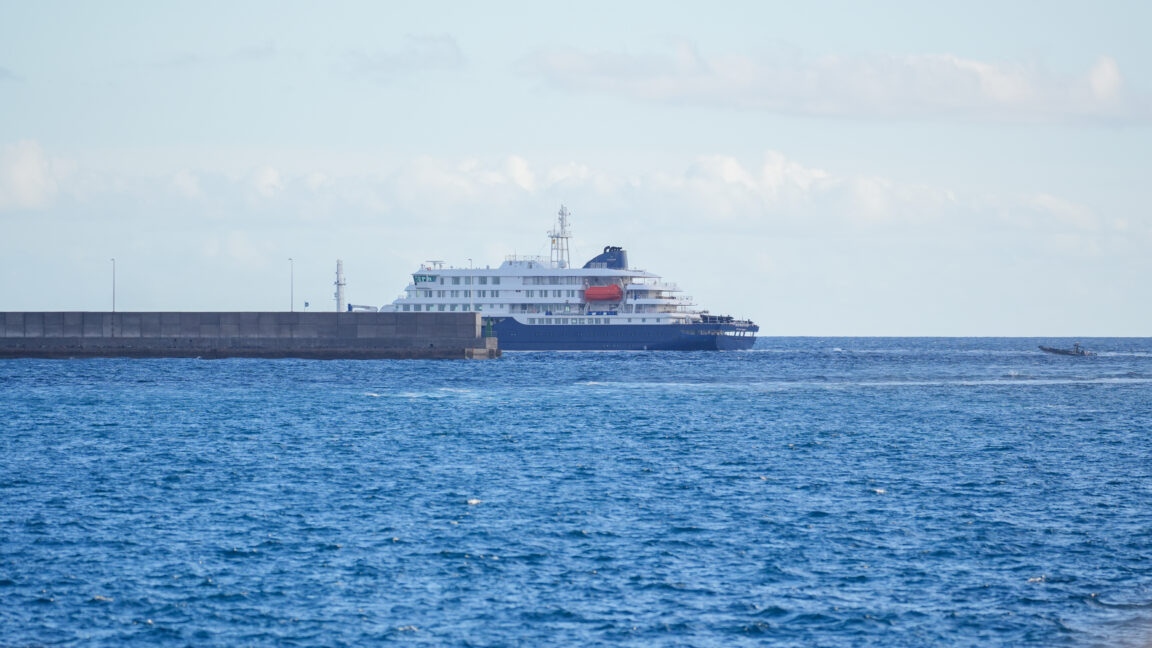
The US response to the hantavirus outbreak on the cruise ship MV Hondius has concluded with no infections among American passengers, but significant controversy remains over the strict quarantine orders enforced by Trump administration officials. The Department of Health and Human Services (HHS) announced the end of the response on June 24, even though the final 42-day monitoring period ended on June 21.
Health Secretary Robert F. Kennedy Jr. praised the swift action, claiming it prevented sustained transmission in the US, despite no American having brought the virus into the country. Acting CDC Director Jay Bhattacharya echoed the sentiment in a press release, stating that no new cases arose in the US.
Questions persist about the unnecessarily harsh quarantines. The US requirements were more stringent than those in Chile and Argentina, where the Andes virus is endemic, and exceeded WHO recommendations. CDC expert Dr. Michael Bell, after reviewing the case of passenger Angela Perryman, recommended allowing her to return home under remote monitoring, agreeing with Florida health officials. However, Kennedy overruled that recommendation four days later without explanation, ordering Perryman to remain in a federal quarantine unit in Nebraska.
During a press briefing, CDC official Brendan Jackson dodged direct questions about Perryman's case and the rationale for the uneven quarantine policy, only stating it was a "complex decision" across federal agencies. The international response continues: the World Health Organization reports 13 confirmed cases and three deaths, with over 650 contacts traced across 33 countries. Only 54 contacts remain under quarantine, expected to be lifted by July 2.

