Calls for US death penalty moratorium after Christa Pike's botched Tennessee execution
Lawyers, doctors and faith leaders are demanding a halt to US executions after Tennessee's attempt to execute Christa Pike left her alive and in critical condition following two full syringes of pentobarbital.
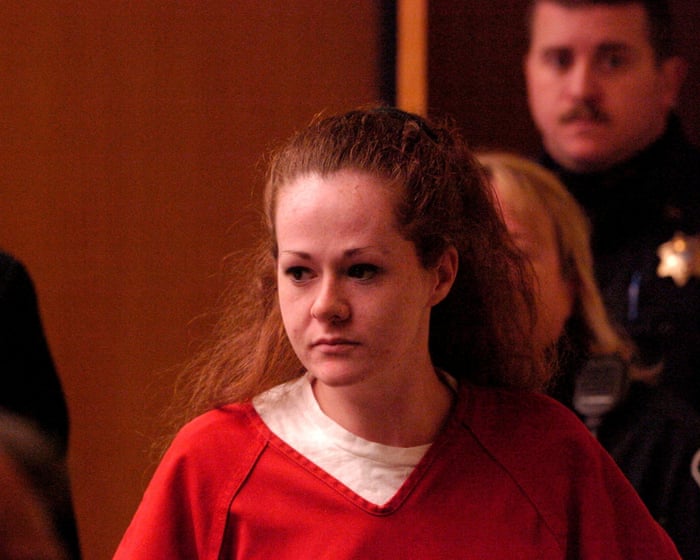
Tennessee governor Bill Lee halted the execution of Christa Pike on Wednesday night after she had already been injected with two full syringes of pentobarbital, a dose normally considered fatal. An hour after the first injection, witnesses heard the 50-year-old still breathing and struggling, and she was found to have a heartbeat. Her lawyers say it remains unknown what condition she is in or whether she suffered brain damage from oxygen deprivation.
Pike was sentenced to death for the brutal 1995 murder of teenage classmate Colleen Slemmer and would have been the first woman executed in Tennessee in over 200 years.
Reaction from lawyers and advocates
Cornell law scholar Sandra Babcock, who advises Pike's legal team, called the events "unimaginably barbaric" and said the governor must at minimum commute Pike's sentence to life imprisonment. Attorney Randy Spivey, who witnessed the procedure, described counting seven needle marks in Pike's left arm alone, one of which appeared bent when removed.
Death penalty lawyer Bryan Stevenson said nearly a dozen botched executions in recent years should already have forced a suspension of capital punishment. Catholic nun Helen Prejean, author of Dead Man Walking, called the ordeal the very definition of cruelty.
A wider pattern of failures
This was the second failed execution in Tennessee in five months, after Tony Carruthers survived in May when the execution team could not establish an IV line. Alabama similarly failed to execute two prisoners who were later killed using nitrogen gas, a method veterinarians consider too inhumane even for euthanizing animals; a federal judge ruled in June that Alabama's nitrogen procedure was cruel and unusual punishment.
Anesthesiology professor Joel Zivot had warned officials that Pike had elevated blood platelets and likely poor, hard-to-find veins, but that evidence was largely dismissed by the special master overseeing her case. The last US moratorium on executions ran from 1972 to 1976. Pressure to carry out executions is simultaneously rising, with President Trump pushing states to accelerate them; last year saw 47 executions across 12 states, the highest number in 16 years.