ICE to spend up to $20m on electric-shock gloves
The US Department of Homeland Security says immigration agency ICE plans to buy thousands of gloves capable of delivering painful electric shocks by March, prompting concern from civil rights groups.
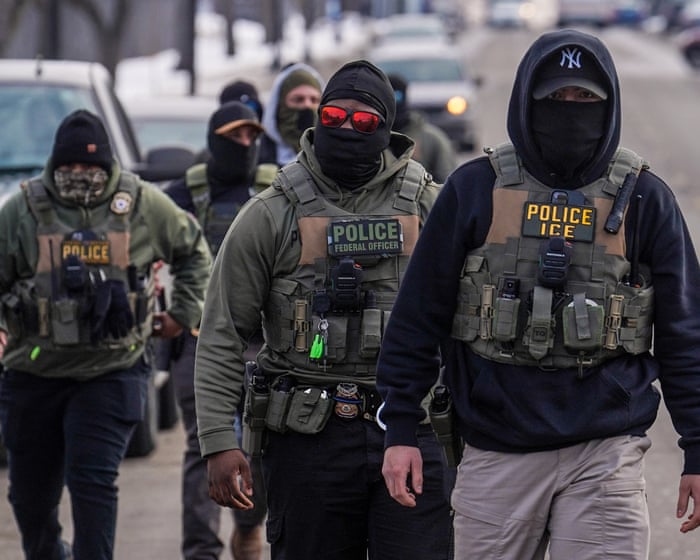
The US Department of Homeland Security published a notice on Monday stating that Immigration and Customs Enforcement (ICE) intends to spend up to $20m purchasing thousands of gloves that deliver electric shocks, with the acquisition expected to be completed by March.
The devices, called Glove, are made by Compliant Technologies LLC, based in Lexington, Kentucky. According to the manufacturer, the gloves function like ordinary patrol gloves until an officer flips a switch to activate an electrical mode. To deliver a pain stimulus, the glove must touch a person's skin directly.
The company says the resulting discomfort typically brings a person into compliance in under three seconds and leaves no burns, marks or scars. It markets the product as a "humane, low-optics, de-escalation solution" for law enforcement. The gloves have previously been used in settings such as US jails.
John Peters, president of the Institute for the Prevention of In-Custody Deaths, who is studying how the device has been used, compared the sensation to a bee sting and said it can be an effective tool when someone resists. He believes ICE's purchase would likely be the largest the company has made to date, and suggested officers could use the gloves when removing uncooperative people from vehicles, homes or detention facilities.
Civil rights advocates raised concerns about the plan. Jenn Rolnick Borchetta of the American Civil Liberties Union noted that ICE has already faced criticism over the past year for excessive use of force, warning that the gloves could let officers inflict pain discreetly with the push of a button, creating risks of harm to the public.
The manufacturer warns the device should not be used as punishment, against people showing only verbal defiance, or on high-risk groups such as children, pregnant women, the elderly or people with disabilities. Compliant Technologies founder and CEO Jeff Niklaus declined to comment on the matter.