US accused of meddling in Brazil's election, echoing cold war tactics
Ahead of Brazil's October presidential vote, the Trump administration is accused of using tariffs and diplomatic pressure to undermine leftist President Lula, recalling US interference in Brazil's 1960s elections.
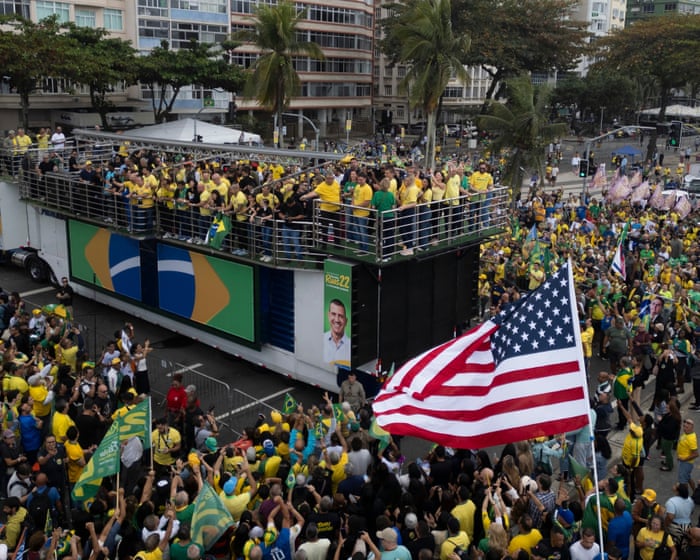
Brazil will hold a presidential election in October, pitting incumbent leftist Luiz Inácio Lula da Silva against far-right senator Flávio Bolsonaro, son of former president Jair Bolsonaro. With polls showing a tight race, observers say US President Donald Trump and Secretary of State Marco Rubio are working to tilt the outcome toward Bolsonaro.
Washington has imposed 25% tariffs on most Brazilian imports and designated the country's largest crime organizations as foreign terrorist groups — a move Brazilian officials believe is meant to make Lula appear weak on crime. In July, Lula said two US officials were denied entry visas after allegedly planning to interfere in the election, including efforts to cast doubt on the reliability of Brazil's voting system.
Historical parallels
Activist Chico Rubens Paiva, whose grandfather investigated US interference in 1963 and was later killed under military dictatorship, believes history is repeating itself. In the early 1960s, the CIA and State Department secretly funneled money to opposition candidates and propaganda groups to weaken then-president João Goulart, paving the way for the 1964 coup and two decades of authoritarian rule.
Historian James Green draws parallels between the era's cut-off loans and today's tariffs as tools to weaken a Brazilian government. Political scientist Celso Rocha de Barros notes one key difference: past interference was covert, while today's is conducted openly and on a far larger scale.
The US State Department has rejected the accusations, calling claims of election meddling a baseless lie and insisting Washington respects the Brazilian people's freely chosen government. Similar accusations arose last year over US support for Argentina's president, Javier Milei. Observers link the pressure campaign to a broader strategy of weakening leftist movements and boosting Trump-aligned leaders across Latin America.


