Doctors Warn Against Vaginal Steaming: Benefits Unproven, Risks Include Burns and Infections
Vaginal steaming, offered by spas and also done at home, is marketed as an intimate-area “detox”, but medical experts point to a lack of scientific evidence. The practice can cause burns and disrupt the vaginal microbiome.
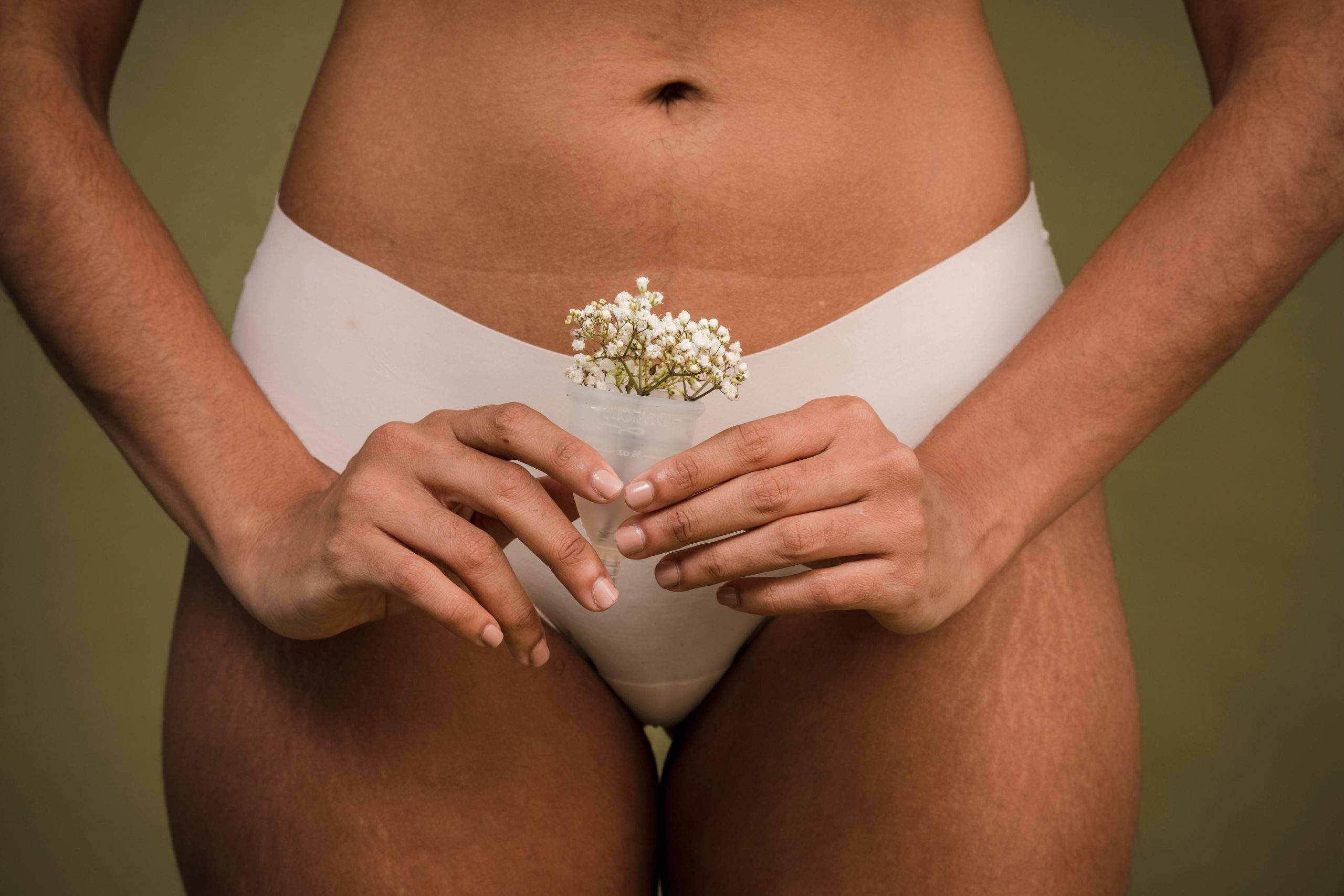
Vaginal steaming, which has become a popular wellness and beauty treatment in recent years, lacks scientific backing and may harm health. This is reported by the medical website Health.com, citing specialists. The procedure is credited with a range of benefits, from eliminating odor and easing menstrual cramps to “detoxing”, improving fertility and enhancing sexual pleasure.
How the procedure works
A woman sits over a container of hot water, often with medicinal herbs or oils added, and lets the steam reach the intimate area. Spas offer it, but it can also be done at home over a bowl or a special seat. Despite the name, steam does not penetrate deep into the vagina. It acts mainly on the vulva, the external genitals.
Promises without proof
The treatment is also said to help after childbirth, tighten the vagina, affect pelvic floor muscles and relieve urinary tract and kidney problems. Experts note there is not enough research to confirm these benefits.
Possible harm
The vagina and surrounding skin are very sensitive, so hot steam can cause burns. Medical literature describes cases in which women suffered second-degree burns. The practice may also affect the vaginal microbiome and natural acidity (pH), raising the risk of irritation, dryness and infections, including yeast infections and bacterial vaginosis. In some cases an infection can spread to the uterus, ovaries or fallopian tubes.
A study of women in Suriname found no clear link between herbal vaginal steam baths and chlamydia infection, but the researchers noted that vaginal rinsing and cleaning practices may weaken the body's natural defenses.
What specialists recommend
The vagina cleans itself, so it needs no special treatments. Warm water is usually enough for daily hygiene, and a small amount of mild cleanser can be used on the vulva. Experts advise avoiding scented sprays, powders and flavored tampons, wearing cotton underwear and not staying long in a wet swimsuit.
A doctor should be consulted if discharge suddenly changes in appearance, or if there is an unpleasant odor, itching, burning, vulvar swelling or growths that do not go away.