UN Climate Summit in Turkey Stalls as Countries Fail to Agree on Fossil Fuels and Funding
Talks at the UN COP31 climate summit in Turkey on a new global climate deal have reached an impasse, with countries split over cutting fossil fuels and aid for climate-hit nations. The summit has already run more than a day past its scheduled end.
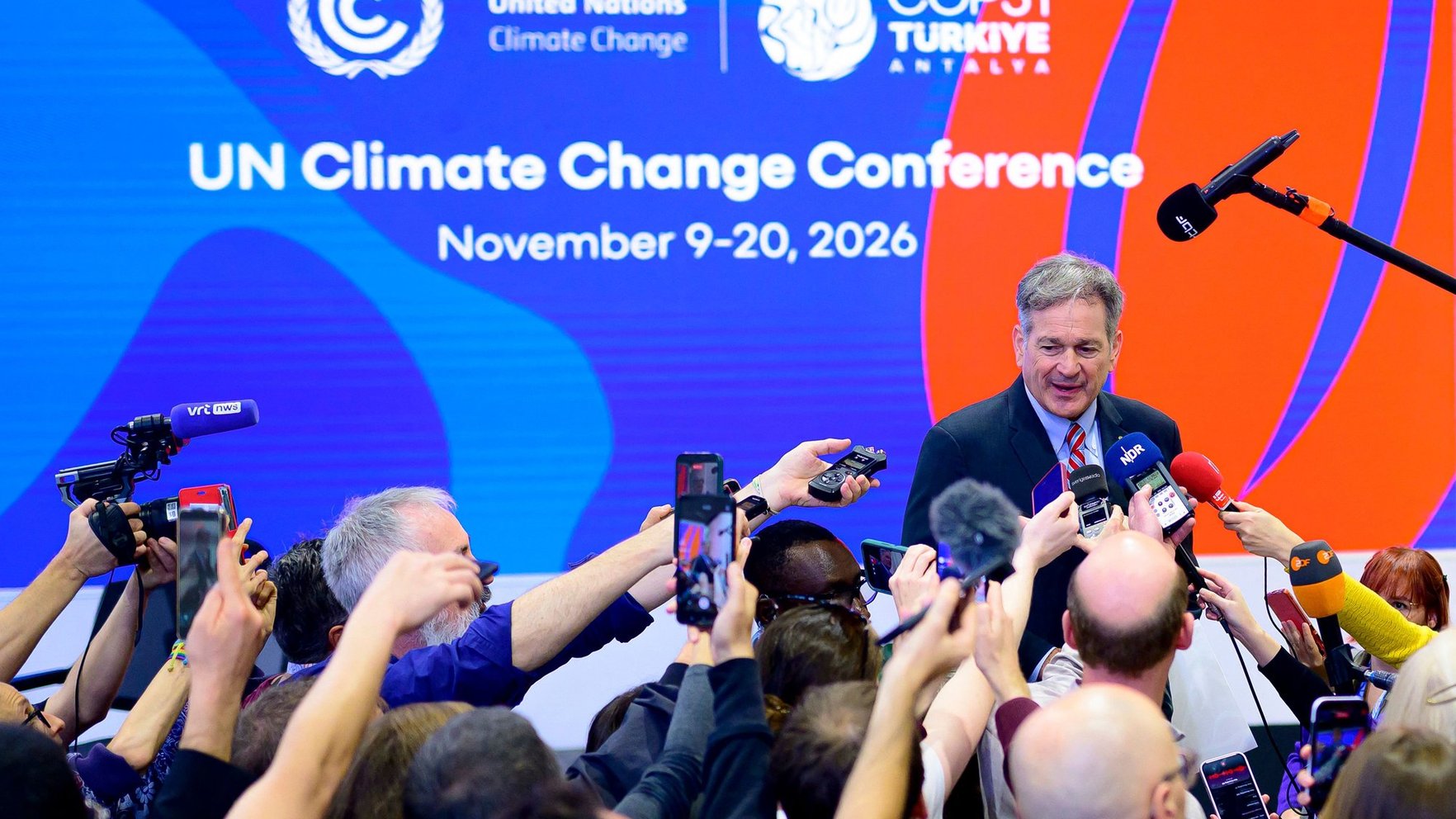
Negotiations on a new global climate agreement at the UN COP31 climate summit in Turkey have hit a deadlock. The summit has overrun its scheduled close by more than a day, yet countries still have not agreed on reducing fossil fuel use or on financial support for nations hit by climate change, BBC reports. Without a deal, the summit's outcome is at risk.
Dispute over fossil fuels
The main disagreement stems from the latest draft agreement, which makes no mention of the need to cut the use of oil, gas and coal. Several European Union countries, including France, Spain, Belgium, Sweden and Finland, object, as do Panama and other states. Fossil fuel producing countries, led by Saudi Arabia, have pushed for the requirement to be removed.
Panama's environment minister, Juan Carlos Navarro, said it was unacceptable that a final climate summit agreement does not even mention fossil fuels, and that his country would not accept it.
Funding and the temperature goal
Another point of contention is money to help countries adapt to climate impacts. African countries are demanding greater support, but the latest draft no longer contains the previously discussed goal of raising annual funding to $120 billion by 2035. Ghana's environment minister and head of the African negotiating group, Zanetor Agyeman-Rawlings, stressed that delegates had not come to beg, but to demand what is owed to people suffering from the consequences of developed countries' actions.
For the first time in the history of UN climate summits, it has also been acknowledged that the goal of limiting global warming to 1.5 degrees Celsius has not been achieved. Scientists warn that this raises the risk of extreme heat and sea level rise.
Possible compromise and risks
The chair of the talks, Australia's climate change and energy minister Chris Bowen, believes more attention should go to implementing existing commitments and moving to cleaner energy. One compromise under discussion would leave out the demand to reduce oil, gas and coal use from the text. In exchange, Saudi Arabia and other oil-producing countries would commit to having electricity make up 35% of their total energy consumption by 2035. That solution would still not resolve the dispute over financial support.
As talks drag on, several delegations have moved their Sunday departure flights to Monday. There are concerns that some countries may lack the funds or ability to extend their stay, so the summit could lose the number of members needed to approve a deal. In that case, talks would have to end without a final agreement. Climate activists have sharply criticised the summit, with Mohamed Adow of the organisation Powershift Africa calling it the worst UN climate summit so far.