Early-released prisoners in England and Wales risk ending up homeless, probation officers warn
Hundreds of prisoners are being released early from jails in England and Wales starting Thursday to ease overcrowding, but probation officers warn many will have nowhere to live. The government is expanding electronic tagging, though its rollout has faced criticism.
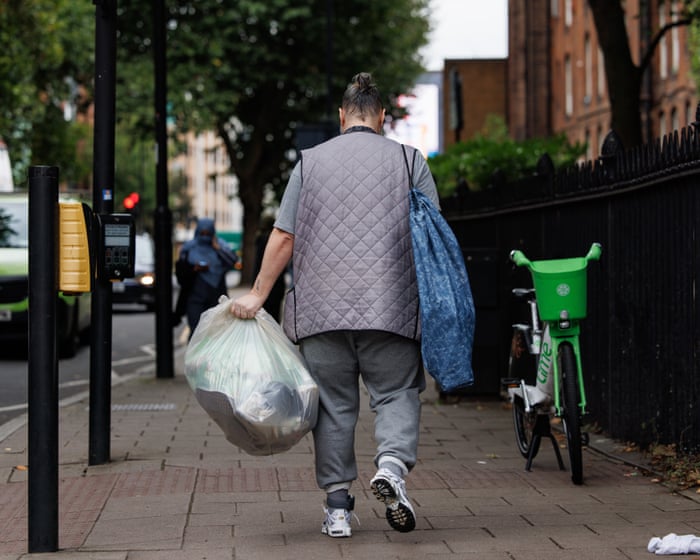
Starting Thursday, England and Wales are rolling out an expanded early-release scheme that will see around 2,000 prisoners freed over the next month, including domestic abusers and violent offenders. A further 3,000 will be released in stages over the coming year. The original target of 6,000 was scaled back following an intervention by Prime Minister Andy Burnham.
Prisoners are normally meant to secure suitable housing before release, which significantly lowers the chance of reoffending. However, a probation source told the Guardian that hostel places for ex-offenders are full in several towns and cities, meaning some people may be released directly onto the street.
Enver Solomon, chief executive of the charity Nacro, warned that homelessness after release often pushes people back toward crime, stressing the need for close cooperation between prisons, probation services, councils and community organisations to ensure people have somewhere to live.
The probation officers' union Napo has flagged the housing shortage to prison officials, warning the situation could become critical after 13 October, when the next wave of releases is due. Napo's national chair, Ben Cockburn, accused the prison service of being in "absolute denial" about the state of the probation system, citing severe staff shortages, unsustainable workloads and failures in electronic monitoring.
The government says the expanded scheme is necessary to prevent the collapse of the criminal justice system, blaming the previous Conservative government for building too few prison places while lengthening sentences. People convicted in child grooming gang cases, indecent assault, or manslaughter are excluded from the scheme.
The expansion stems from the 2026 Sentencing Act, which lowers the threshold for release from 40% to a third of a fixed-term sentence. The Ministry of Justice says it is launching its largest-ever expansion of electronic tagging, but a recent watchdog report found some offenders waited up to five months for a tag, with only 55% of GPS and radio frequency tags fitted on time.
The prison population of England and Wales has grown by more than 1,700 over the past three months, reaching 87,499 as of Monday. The ministry says it is building 14,000 new prison places and working with councils and charities to halve homelessness among prison leavers by 2029, backed by £700m in investment in probation and community services.